


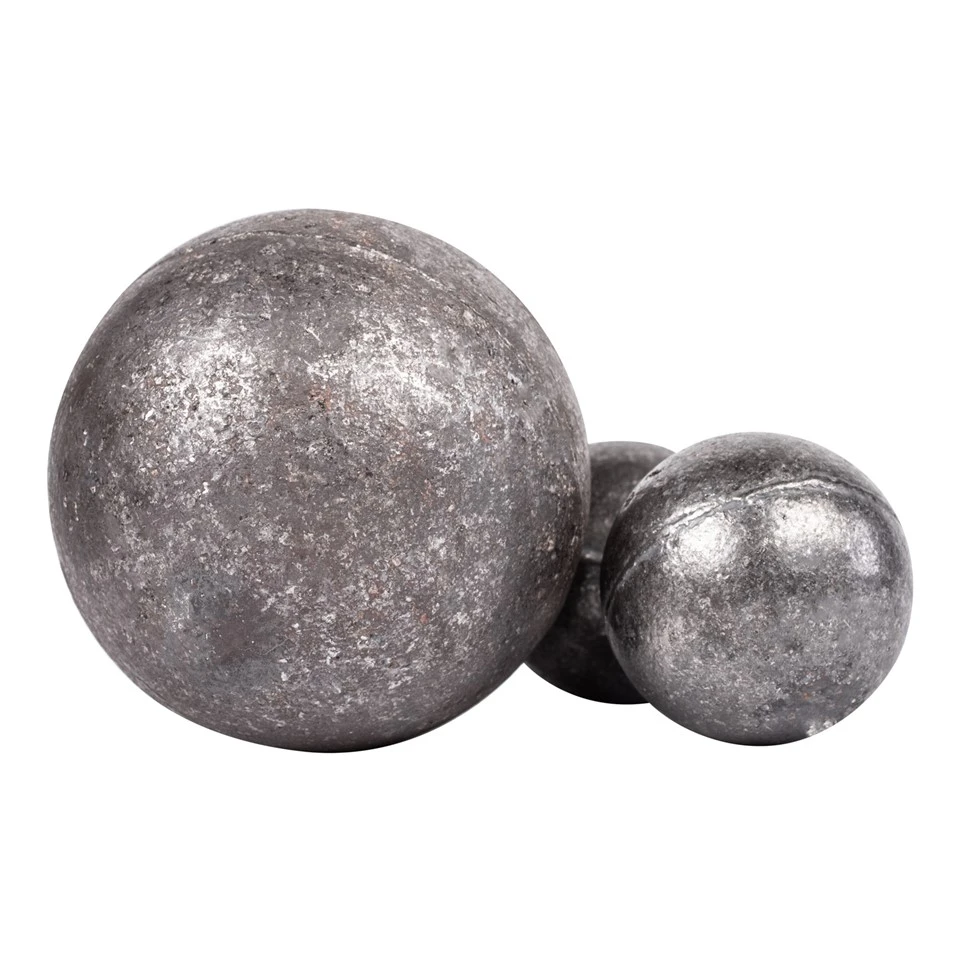

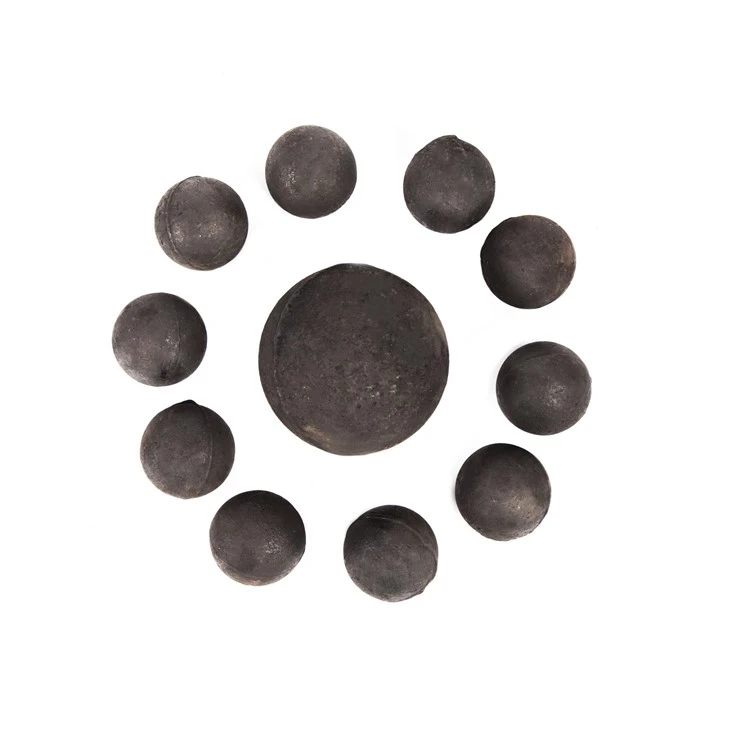
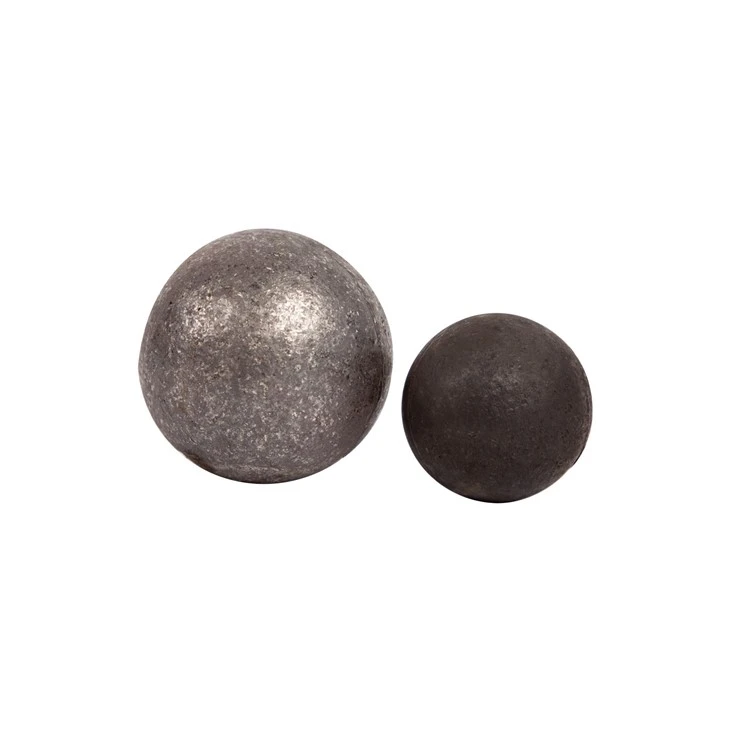
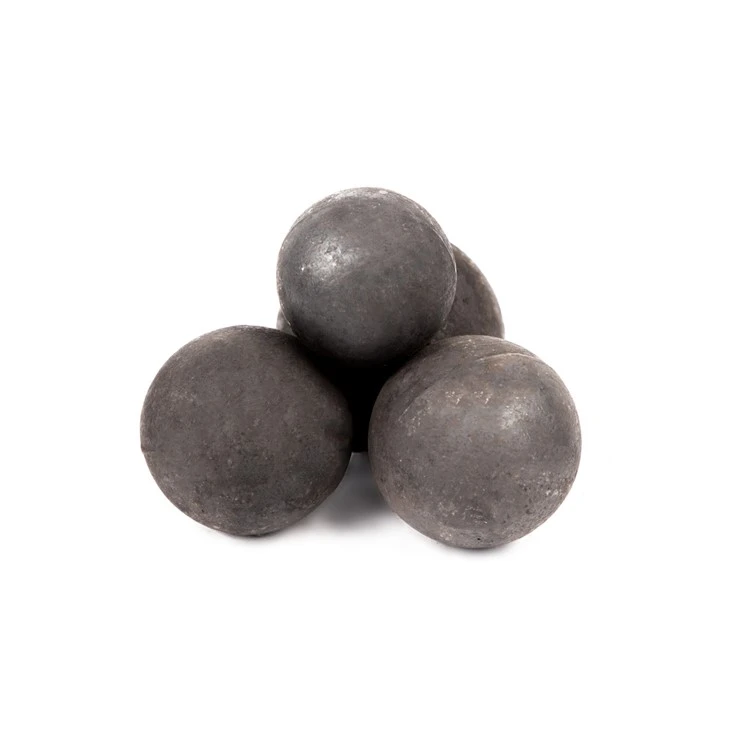

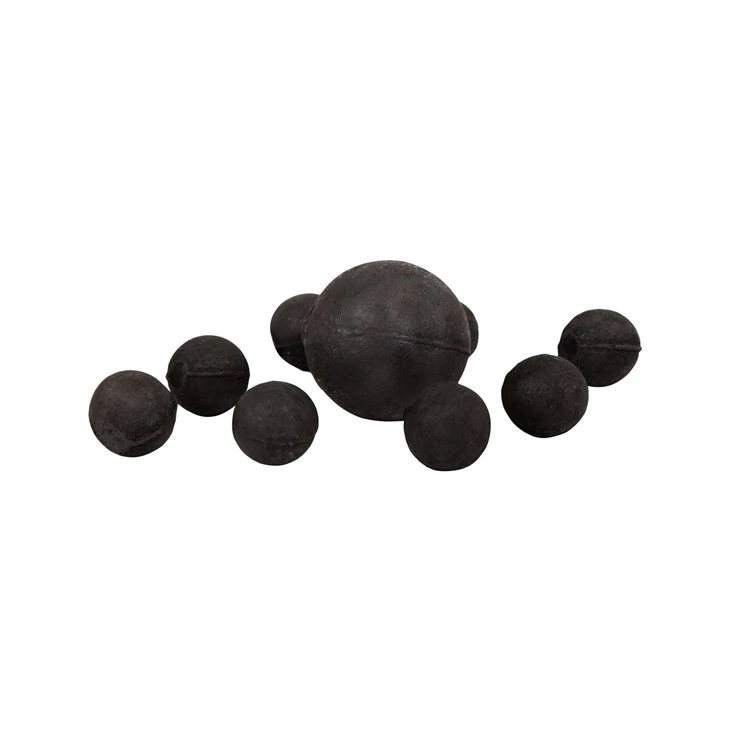
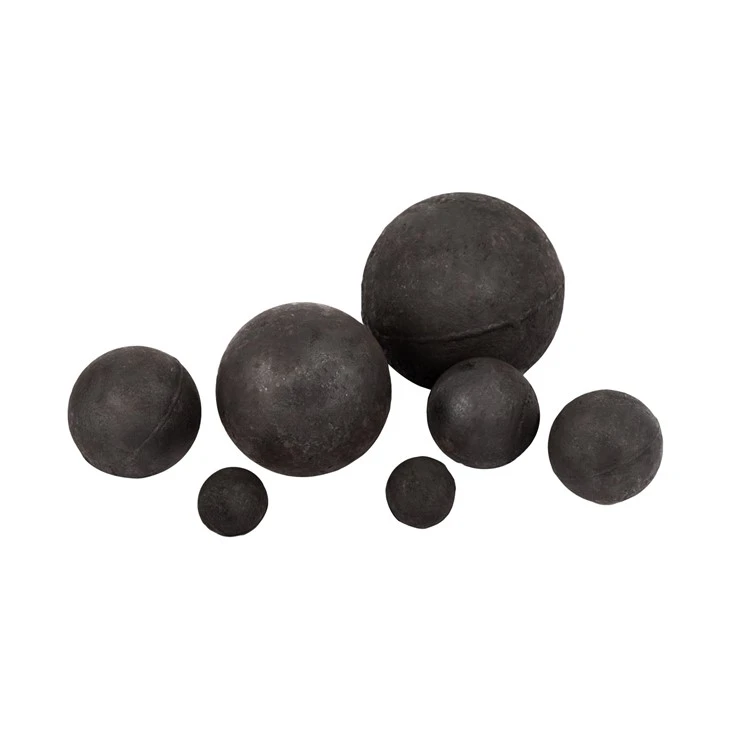
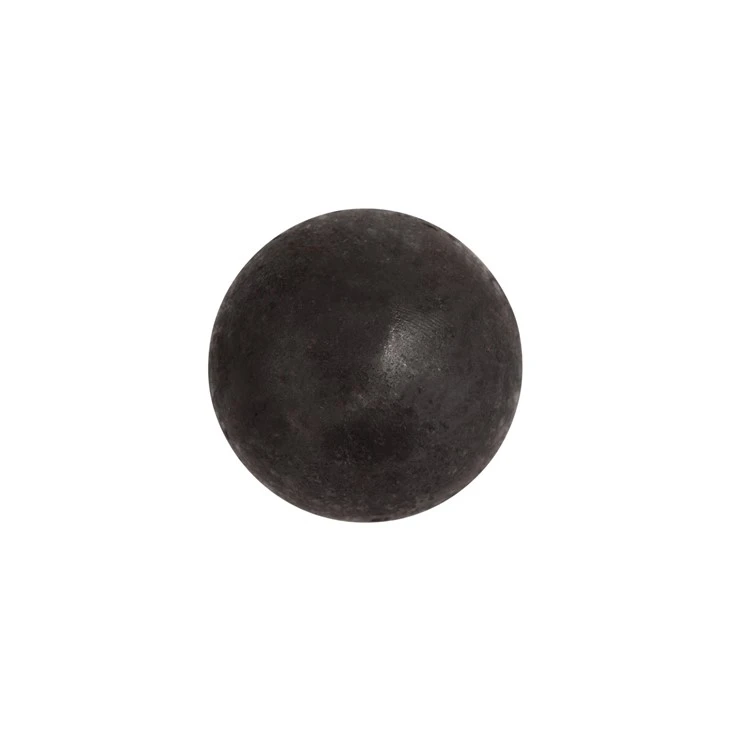
Grinding media balls are indispensable tools in the mining industry, serving the critical purpose of breaking down and pulverizing ore materials. To maintain the efficiency and reliability of these grinding media balls, rigorous quality testing procedures are an absolute necessity. In this brief, we will outline the essential quality testing protocols for grinding media balls used in mining applications.
1. Material Selection: Quality assessment initiates with the meticulous selection of materials. Commonly, grinding media balls are crafted from steel, stainless steel, or ceramics. The choice of material depends on various factors, including ore characteristics, environmental conditions in the mill, and cost considerations. Each material must adhere to stringent quality standards and originate from reputable suppliers.
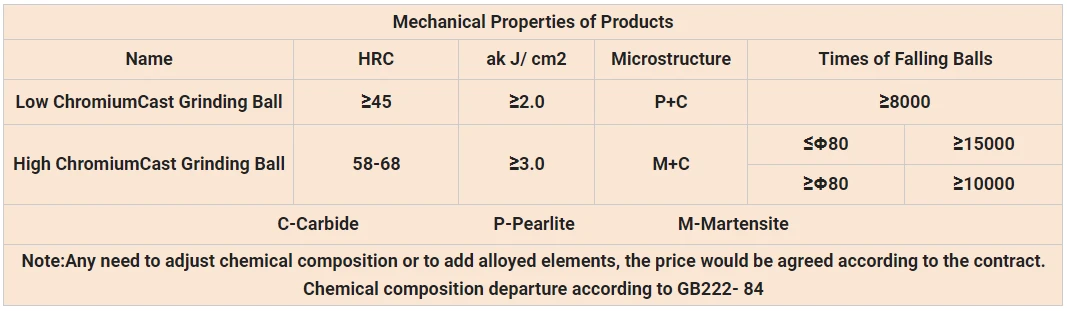
2. Chemical Composition Analysis: One of the foremost quality tests entails a comprehensive analysis of the material's chemical composition. This analysis ensures that the material conforms to the specified alloy composition, which profoundly influences the ball's hardness, wear resistance, and overall performance. Any deviation from the specified composition can jeopardize grinding efficiency.
3. Hardness Testing: Grinding media balls must exhibit a specific hardness to withstand the abrasive nature of the mining environment. The Rockwell or Brinell hardness tests are typically employed to verify the balls' hardness levels. Proper hardness levels guarantee a longer ball lifespan and consistent grinding performance.
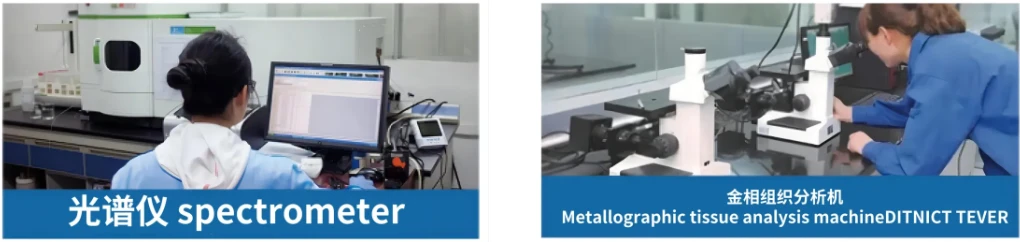
4. Microstructure Examination: Microstructure examination involves scrutinizing the internal structure of the grinding media balls using microscopic techniques. This examination identifies any structural defects such as voids, cracks, or inclusions that might weaken the balls, leading to premature failure during the grinding process.
5. Ball Dimensional Checks: The dimensions of grinding media balls, including diameter and roundness, must adhere to precise standards. Accurate dimensions ensure uniform grinding and prevent issues such as uneven wear within the mill.
6. Surface Quality Assessment: Surface quality is another crucial factor in the assessment of grinding media balls. It is imperative to ensure that the balls are free from surface defects, irregularities, or impurities that could impact their performance or result in premature wear.
7. Wear Resistance Testing: Wear resistance is a critical property of grinding media balls, as they endure constant abrasion in mining operations. Laboratory wear tests replicate real-world grinding conditions to evaluate the balls' ability to maintain their shape and performance over time.
8. Impact Toughness: Mining applications often subject grinding media balls to high-impact forces. Testing for impact toughness assesses their capacity to withstand these impacts without breaking or deforming. This property is vital for long-lasting and dependable grinding media.
9. Heat Treatment Verification: Heat treatment is a pivotal process affecting the mechanical properties of grinding media balls. Stringent quality control measures ensure that the heat treatment process adheres to specified parameters, resulting in the desired hardness and microstructure.
In conclusion, the quality testing of grinding media balls for mining encompasses a thorough examination of material attributes, physical characteristics, and performance parameters. Ensuring that grinding media balls meet exacting quality standards is paramount to achieving efficient ore processing, reducing downtime, and optimizing mining operations. Rigorous quality testing guarantees that these indispensable components continue to contribute to the success of the mining industry.
Hot Tags: grinding media ball for mining, China grinding media ball for mining manufacturers, suppliers, factory, Grinding Casting Chrome Ball, Industrial Ball Mill, Grinding Cast High Chrome Ball, Mill Ball, Grinding Casting Steel Ball, Grinding Media Cast Steel Ball