


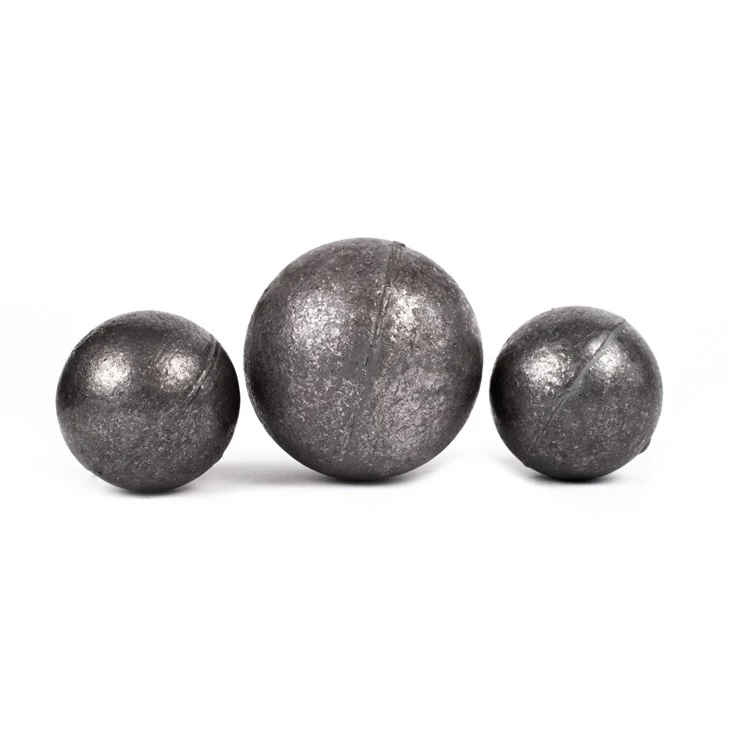


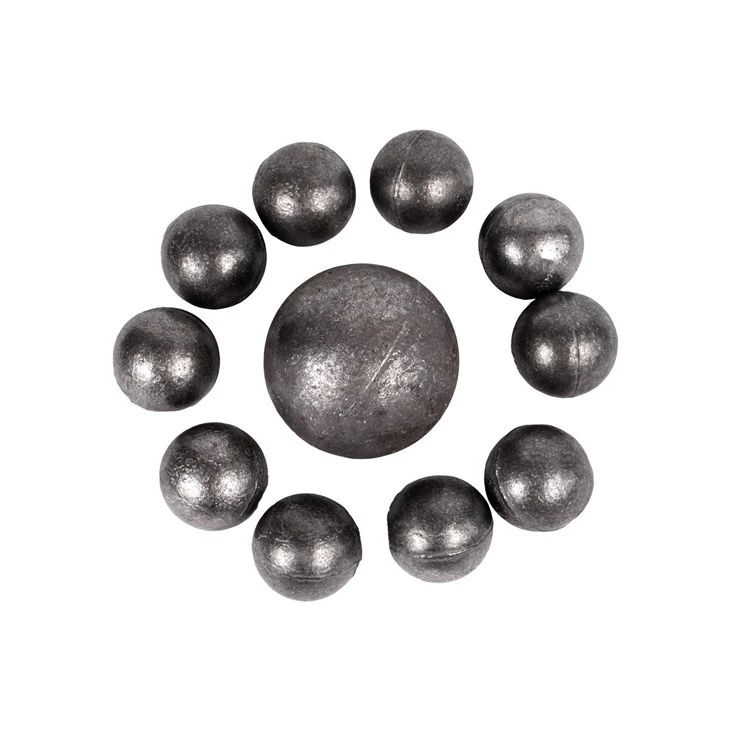
Casting Balls in Ball Mining: Applications in Both Dry and Wet Grinding
Casting balls, commonly referred to as grinding balls, are essential components in the field of ball mining. These robust spherical components, typically crafted from durable materials like steel or iron, play a vital role in ore processing, whether through dry or wet grinding methods. Let's explore how casting balls find versatile applications in both dry and wet grinding processes within the mining industry.
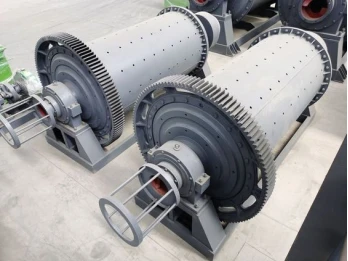
Dry Grinding:
Casting balls are employed in dry grinding processes, particularly when the ore or material is devoid of moisture. Here's how they contribute to efficiency in this context:
Size Reduction: In dry grinding, casting balls are used in grinding mills to break down larger ore particles into smaller, more manageable sizes. This facilitates efficient mineral extraction and separation processes.
Consistency: Casting balls provide consistent grinding performance, ensuring uniform particle size reduction. This consistency is crucial in dry grinding operations, as it directly affects the quality and efficiency of the subsequent processing steps.
Durability: The durability and resistance of casting balls make them well-suited for dry grinding processes where abrasive materials are common. They can withstand the wear and tear associated with these operations.
Wet Grinding:
Casting balls are equally valuable in wet grinding scenarios, where moisture is added to the ore or material. Here's how they contribute to efficiency in wet grinding:
Effective Slurry Formation: Casting balls are used in wet grinding mills to crush and grind ore, creating a slurry. This slurry is essential for efficient transport of minerals and aids in the separation of valuable components from gangue.
Reduced Wear: In wet grinding, the presence of moisture can reduce the wear on both the grinding media and the equipment, making casting balls a reliable choice for prolonged use.
Energy Efficiency: Wet grinding with casting balls can be more energy-efficient, as the presence of moisture can mitigate dust formation and reduce the energy consumption compared to dry grinding.
Optimal Particle Liberation: Casting balls in wet grinding can help achieve optimal particle liberation, enhancing the exposure of valuable minerals for extraction processes like flotation.
In both dry and wet grinding, the primary function of casting balls is to reduce the size of raw materials, thus increasing their surface area for subsequent mineral extraction and separation processes. This fine grinding process is vital for mining operations, leading to higher yields, improved product quality, and enhanced processing efficiency.
In summary, casting balls are versatile components, applicable to a wide range of grinding scenarios in the mining industry, whether in dry or wet conditions. Their durability, consistency, and effectiveness in reducing the size of ore particles make them essential for driving efficiency in both dry and wet grinding processes. Whether it's dry grinding for certain minerals or wet grinding for others, casting balls contribute to the success of mining operations by enhancing overall efficiency and product quality.
Hot Tags: cast ball for ball mining, China cast ball for ball mining manufacturers, suppliers, factory, Grinding Cast Ball, Grinding Cast Chrome Ball, Grinding Chrome Ball, Ball Mill Grinding Media, Grinding Casting Iron Ball, Grinding Cast Mill Ball