


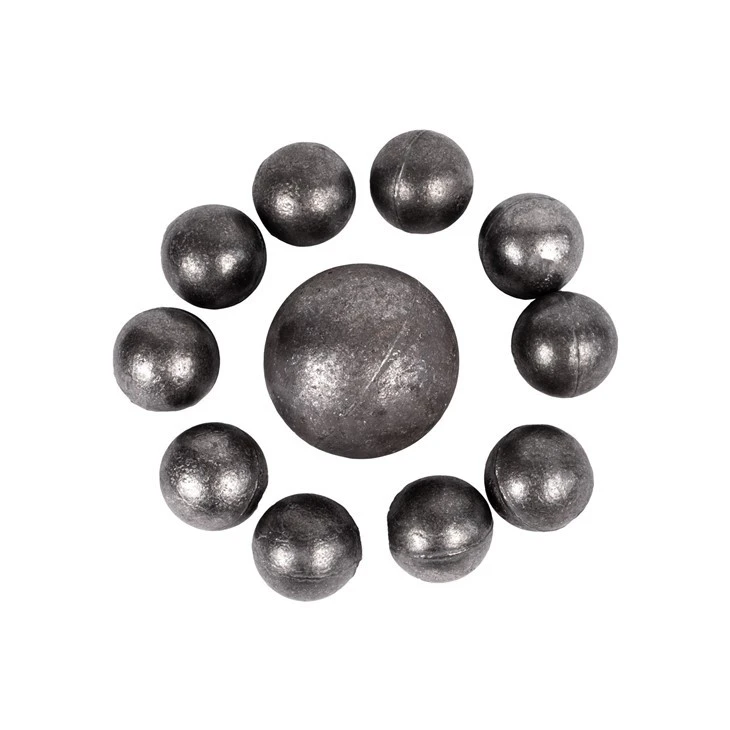
Yongxing: Your Professional Grinding Ball Manufacturer
Maanshan Yongxing New Material Technology Co., LTD., founded in 2003, is located in Maanshan, Anhui Province. It is a professional manufacturer of precision castings, heat-resistant steel, chromium series casting balls, and casting cylpebs. After twenty years of deep cultivation, the company has now developed into a large-scale foundry enterprise with an annual output of 70,000 tons.
Our Advantages
Product Innovation Strength
Our company continues to innovate products and produces various precision castings, heat-resistant steel, chromium series casting balls, and casting cylpebs. At the same time, we have also obtained more than 60 utility model patents.
Significant Production Capacity
Our company has a standardized factory building of 20,000 square meters, with an annual casting output of 70,000 tons, which can quickly meet users' needs for large-volume products.
Reliable Product Quality
Our company has obtained multiple management system certifications and has professional production and testing equipment to ensure that the qualification rate of various castings is extremely high.
Broad Market Reach
More than 200 experienced employees can provide professional services to customers in more than 200 countries and regions around the world.
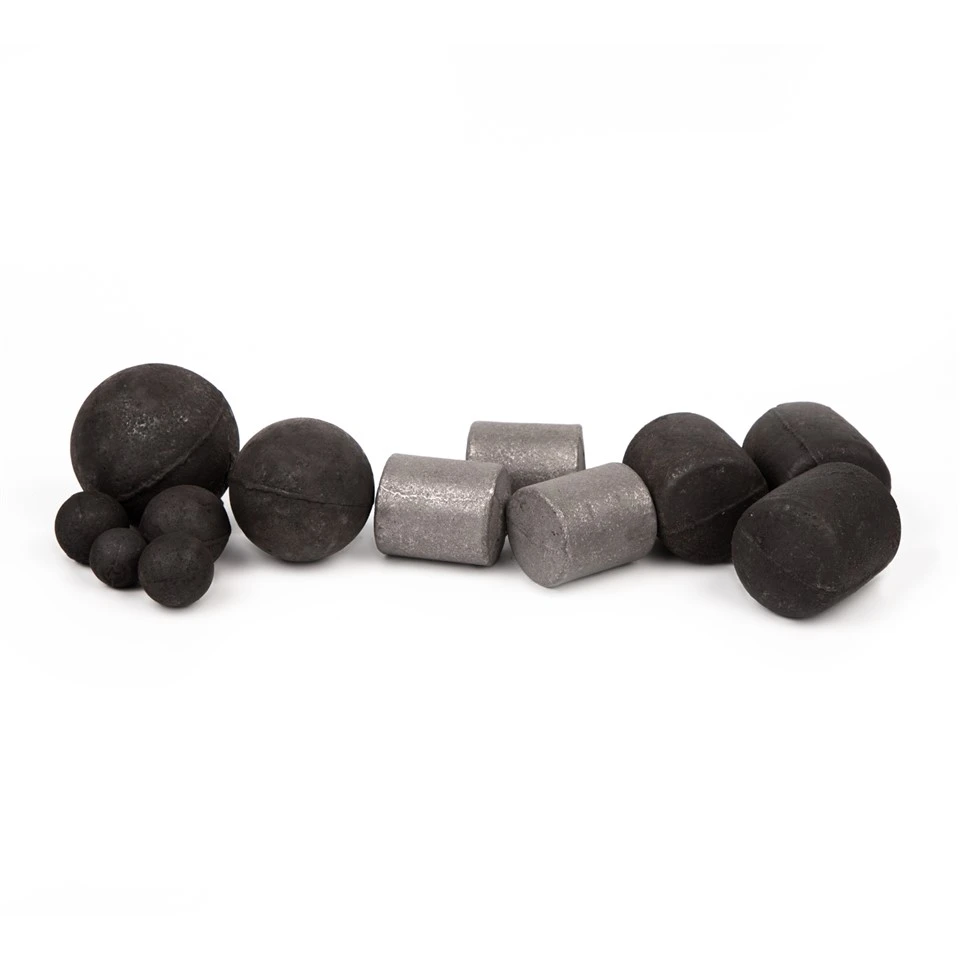


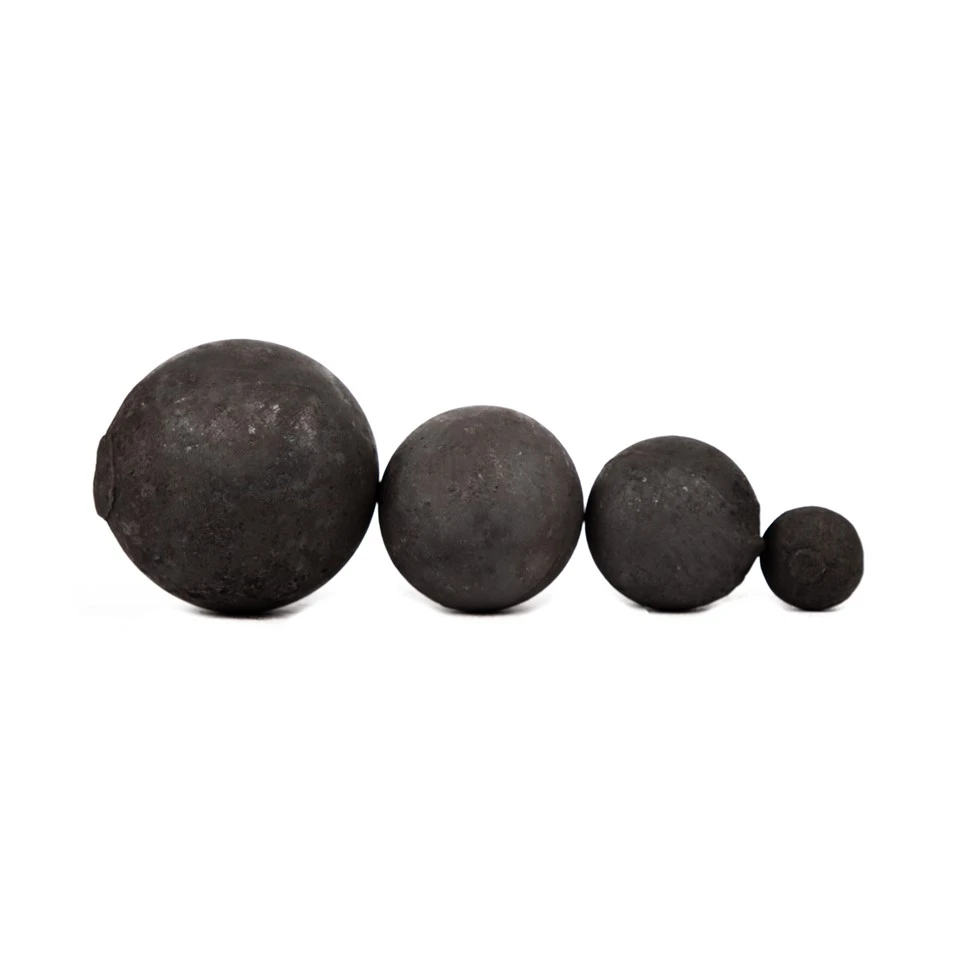
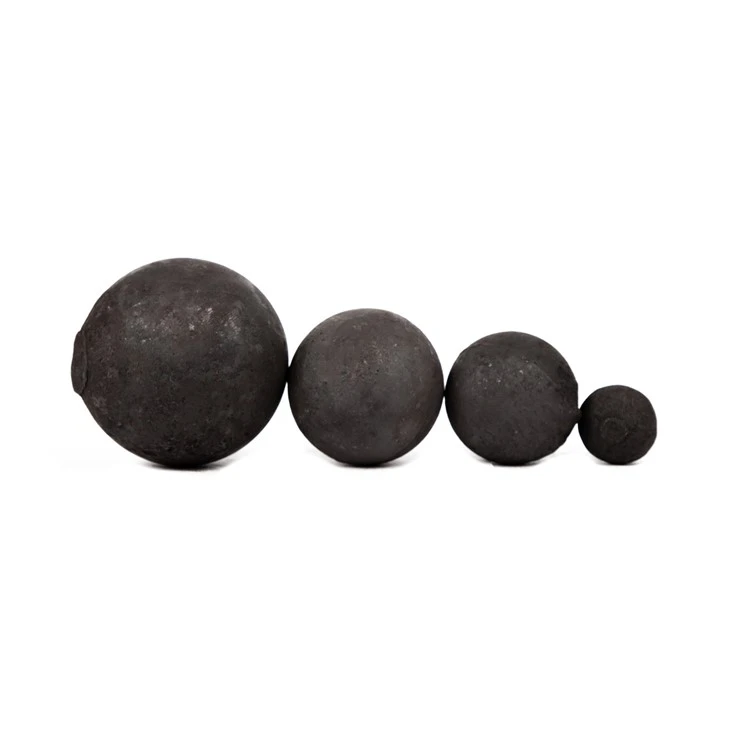


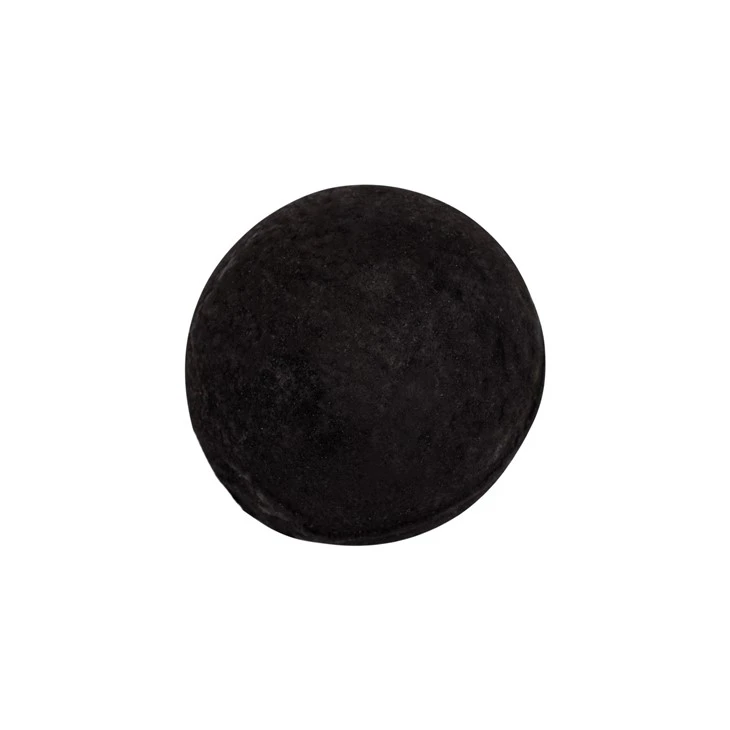
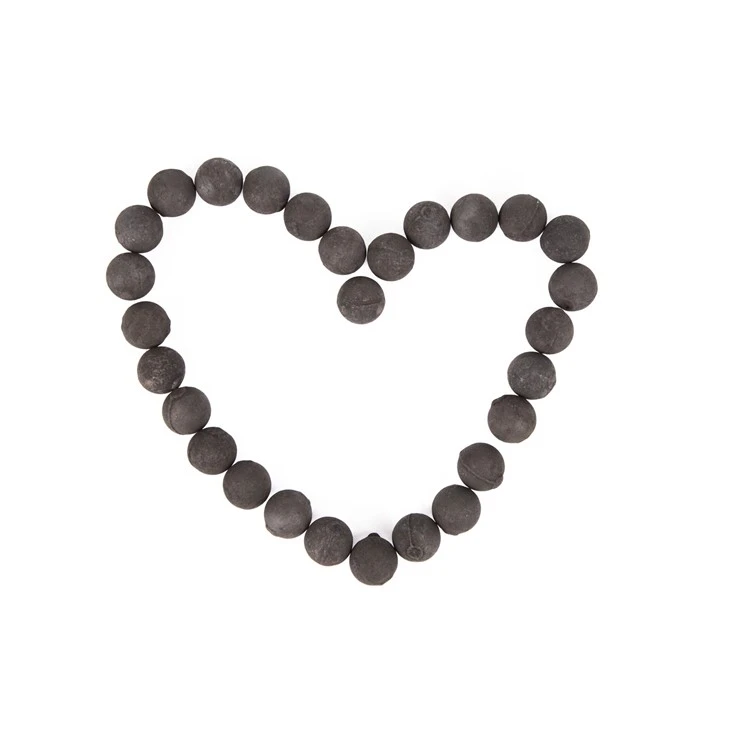
Grinding Cylpebs are slightly tapered cylindrical grinding media with length equalling diameter, and all the edges being radiused. It enhances the grinding efficiency by increasing the contact area between the cylpebs and the material being ground. This increased contact area helps to break down the materials more effectively.

Types of Metal Grinding Ball


High Chromium Alloy Steel Ball
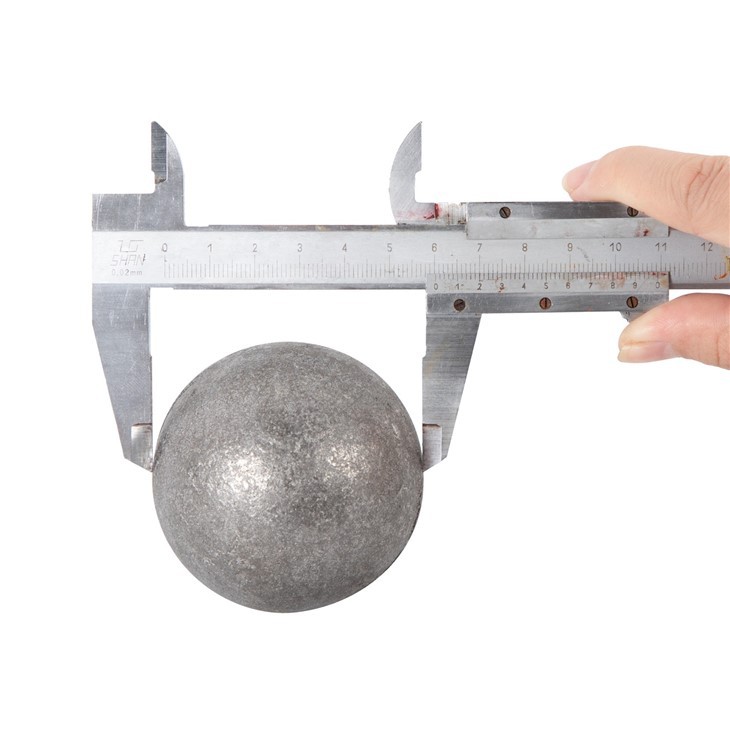
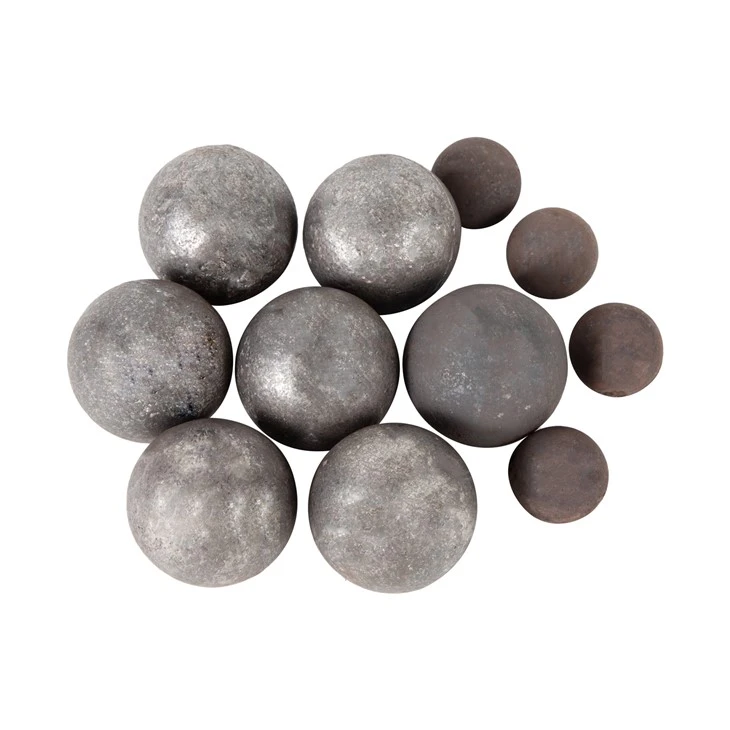
The choice of the hardness of the steel ball of the ball mill not only influences the productivity of the ball mill, but also influences the consumption of the ball, and then influences the cost of grinding medium. High hardness does not necessarily increase productivity or even decline, only high productivity can make the consumption index decreased. In grinding, ball loss is an important index. Generally speaking, as the hardness increases, as long as it does not break, the ball loss can be reduced, but when the ball mill steel ball hardness is too high, it will have an adverse effect There are two main aspects: (1) ball rebound bounce serious, in the rebound caused part of the energy loss, so the ball energy is not more used for crushing, so the impact of crushing; (2) ball hardness is too high When the ball and the ball contact with each other, sliding severe, cannot effectively engage in the ball between the mineral particles, so that the grinding of mineral particles weakened.
Low Chromium Alloy Steel Ball
The white cast iron with chromium as main alloy element is called chromium alloy cast iron for short, and the cast grinding ball with chromium alloy cast iron as a material is called Chromium Alloy Cast Iron Grinding Ball;
The SPHEROIDAL graphite cast iron ball is called SPHEROIDAL graphite cast iron ball, and the matrix obtained by heat treatment is Bainite The Matrix obtained by heat treatment is mainly a martensite spheroidal graphite cast iron grinding ball referred to as the Martensite Ball.
Multi-Component Alloy Steel Ball
In some special conditions, often need a special material steel ball, to achieve the different environment required to achieve the function. After years of development, there are more and more new types of ball mill steel balls, including high chromium steel balls, high chromium steel forging, low chromium steel forging, low chromium steel forging, multi-alloy steel balls, etc. , which not only promote the development of ball mill steel ball production, the utility model improves the grinding efficiency of the ball mill, and promotes the technical development and progress of the relevant industries.
Advantages of Metal Grinding Ball
High Grinding Efficiency
Metal grinding balls exhibit high grinding efficiency due to their hardness and impact resistance. They effectively crush and grind materials, resulting in faster and more efficient grinding processes.
Wear Resistance
They are able to withstand the abrasive forces generated during the grinding process, resulting in longer lifespan and reduced maintenance requirements.
Versatility
Metal grinding balls are suitable for grinding a wide range of materials, including ores, minerals, cement clinker, coal, and various industrial substances. They can be used in different grinding mills and equipment, making them versatile for diverse grinding applications.
High Impact Strength
Metal grinding balls possess high impact strength, which allows them to effectively break down materials and enhance the grinding process. Their impact resistance ensures efficient particle size reduction and an improved grind.

Milling and grinding media are designed and manufactured to meet many industry specifications. Some products are used for grinding glass, powdering food products, creating custom varnishes, making ceramic glaze, powdering various chemicals, and making black powder. Others are used in the manufacture of medical devices, glass, plastics, composites, semiconductors, and electronics. Ball milling and grinding media are also used in cleaning and surface preparation, deburring and deflashing, tool and die sharpening, construction, and maintenance and repair operations.
The grinding mills can be categorized into three major types - rod mills, ball mills, and SAG mills. Semi-Autogenous Mills/ SAG Mills (primary grinding mill) - these mills use grinding balls with forces of attrition, impact, and abrasion between grinding balls and ore particles that result in finer particles. Feed size range is 400 mm / 16 in and product size of 75 microns. The product of the large SAG grinding is either a finished size ready for processing, or an immediate size for further grinding. Examples include use in gold, copper and platinum mines with applications also in the lead, zinc, silver, alumina and nickel industries.
Ball Mills - these use our grinding balls for grinding media breaking the coarse feed materials by impact and attrition into extremely fine powder. Ball mills use a feed of about 15 mm (½ in.) or finer and product size is very fine with no actual grind limit indicated. Examples include use in mineral dressing processes, paints, pyrotechnics, ceramics and selective laser sintering. Widely used in production lines for powders such as cement, silicates, refractory material, fertilizer, glass ceramics, etc. as well as for ore dressing of both ferrous and non-ferrous metals.
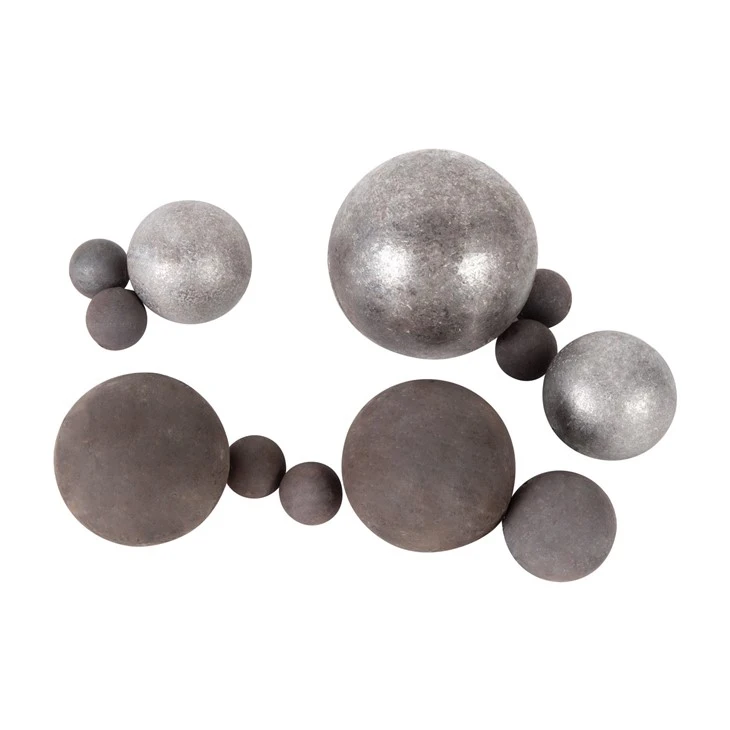
Factors to Consider Before Choosing Metal Grinding Ball
Grinding media comprises a range of objects. Grinding balls, beads, satellites, cylinders, diagonals, and ball-cones are all different shapes of abrasives. The media itself can be made up of a variety of materials, such as carbon steel, stainless steel, chrome steel, and non-metallics like ceramics or steatite. Selecting the right grinding media for your application depends on some interrelated factors.
Size
The initial feed size matters because smaller media cannot easily break up large particles, so it shouldn't be used for large particle applications. Similarly, the final particle size should be considered, as smaller media is more efficient when ultrafine particles are anticipated. In general, high-density media give better results. The media should be denser than the material that is being ground. Also, highly viscous materials need media with a higher density to prevent floating. The specific gravity of grinding media is therefore essential to consider.
Material
The harder the media, the higher the grinding competence and the longer the wear. Some of the harder grinding medias are made of hardened steel, tungsten carbide, agate, and zirconia. The overall abrasiveness should also be taken into account. If a highly-abrasive media is put into a grinding chamber that isn't equally abrasive, not only will the media not be adequately ground, there is a risk of lasting damage to the chamber.
Discoloration
Some media may cause a lighter-colored slurry to turn gray, so be aware of potential discoloration. As well, some strong acid or basic slurries may react with metallic media, and therefore a nonmetallic such as ceramic should be used. Iron media, for example, may react with corrosive materials. Options for use with corrosive substances are stainless steel, ceramic, and flint grinding media.
Wear and Tear
In the grinding process, the media is obviously subject to wear. Any material that results from the wear of the media may disturb the product and should be eliminated with a magnetic separator, chemicals, or other means.
Gap
Although more critical with smaller media, the ideal is consistently-sized media. In these small sizes, there are ranges because, due to the manufacturing process, the media must be classified or screened. When perfectly spherical grinding media is used in a mill, all gaps that form will be the same size. Once the media is no longer spherical or is differently-sized, the force of the fluid or powder is not exerted equally. This can cause media to "tumble" in the mill, resulting in some gaps, both large and small. The liquid in the premix material then naturally flows more through the larger gaps. The shear force is then not high enough to do any deagglomeration, and the mill efficiency suffers.
Service Life
Tungsten carbide and zirconia milling media are more expensive and may last considerably longer, and therefore, will be well worth the extra cost over the long run. Of course, no grinding media is invulnerable to wear, and eventually, all media will need to be replaced. That said, purchasing more expensive grinding media with a long lifespan may help maintain and replacement costs. Exceptionally durable media can help with costs in the long run.
Quantity
As most of the work in many grinding mills such as a ball mill, horizontal mill, or vertical mill, is done by squeezing the material through the gaps between the media, this means that the more gaps, the more successful the milling. To increase the number of gaps, the number of beads or cylinders should be increased. However, to maintain the amount of media that is loaded, the only option is to decrease the size of the media – for example, the diameter of the beads.
Our Certificate
We have obtained the Certificate Of Machin


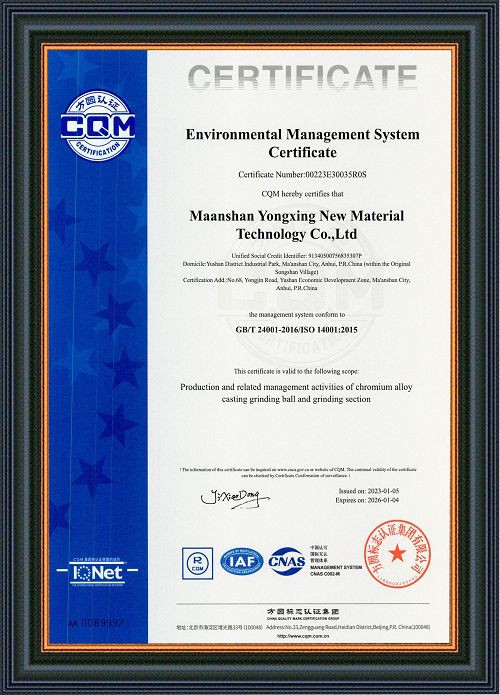
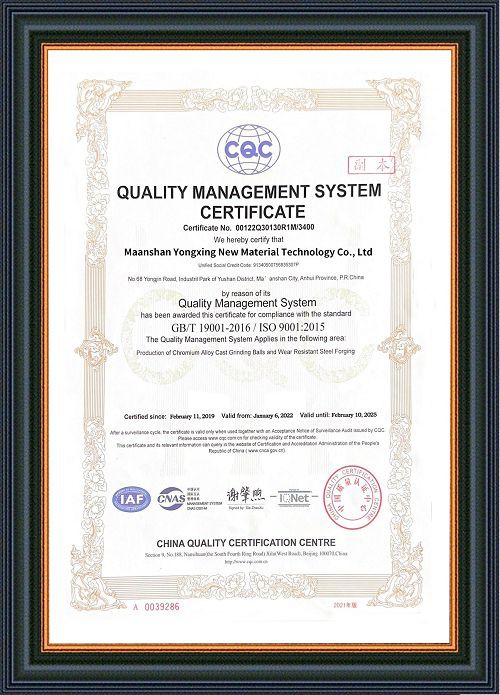

Our company has obtained environmental management system certification, occupational health and safety management system certification, quality management system certification, etc. The production process is scientific and the product quality is stable.
Ultimate FAQ Guide to Grinding Ball
Hot Tags: grinding casting metal ball for ball mill, China grinding casting metal ball for ball mill manufacturers, suppliers, factory, Steel Grinding Media, Grinding Casting Ball, Grinding Cast Metal Ball, High Chrome Grinding Steel Ball, Ball Mill Media, Grinding Cast Mill Ball