


Yongxing: Your Professional Grinding Ball Manufacturer
Maanshan Yongxing New Material Technology Co., LTD., founded in 2003, is located in Maanshan, Anhui Province. It is a professional manufacturer of precision castings, heat-resistant steel, chromium series casting balls, and casting cylpebs. After twenty years of deep cultivation, the company has now developed into a large-scale foundry enterprise with an annual output of 70,000 tons.
Our Advantages
Product Innovation Strength
Our company continues to innovate products and produces various precision castings, heat-resistant steel, chromium series casting balls, and casting cylpebs. At the same time, we have also obtained more than 60 utility model patents.
Significant Production Capacity
Our company has a standardized factory building of 20,000 square meters, with an annual casting output of 70,000 tons, which can quickly meet users' needs for large-volume products.
Reliable Product Quality
Our company has obtained multiple management system certifications and has professional production and testing equipment to ensure that the qualification rate of various castings is extremely high.
Broad Market Reach
More than 200 experienced employees can provide professional services to customers in more than 200 countries and regions around the world.

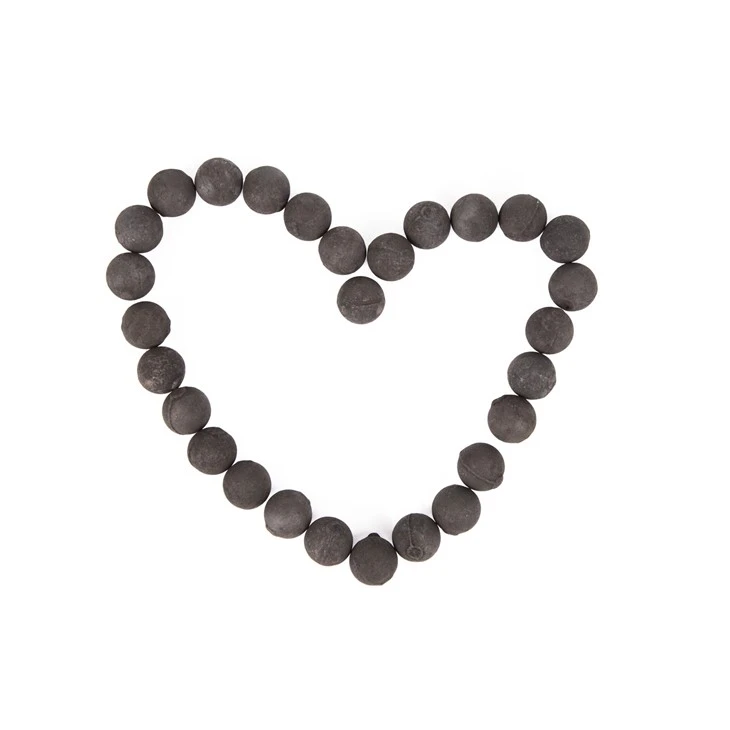

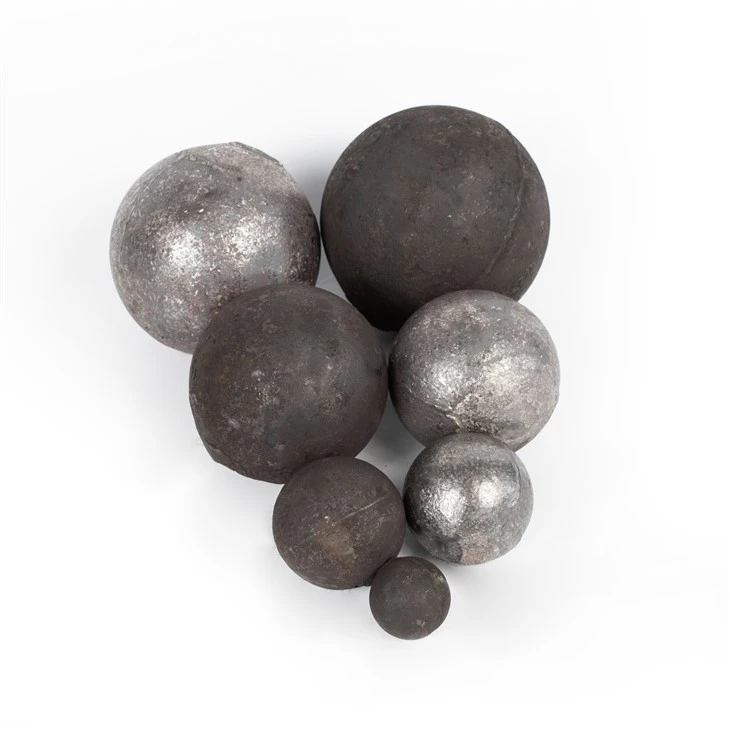
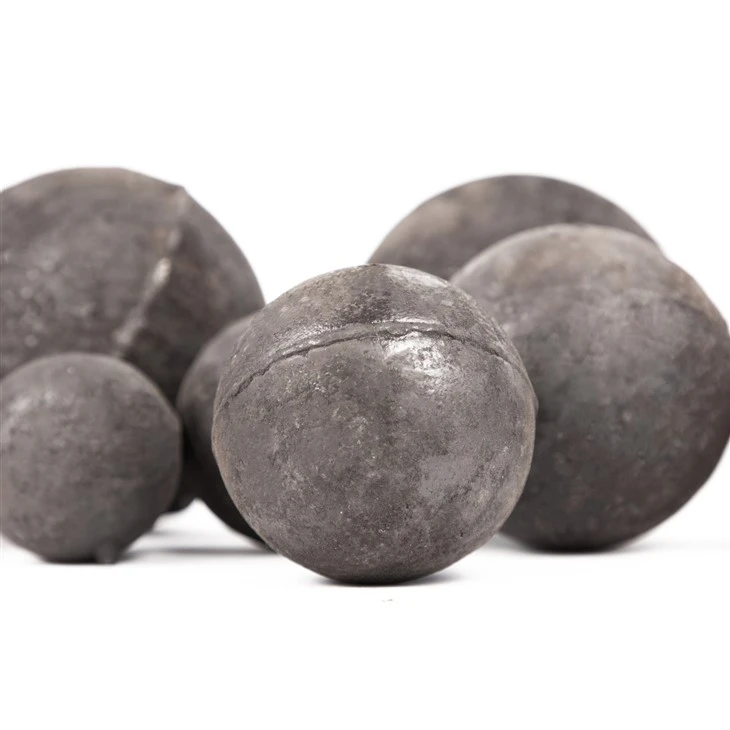
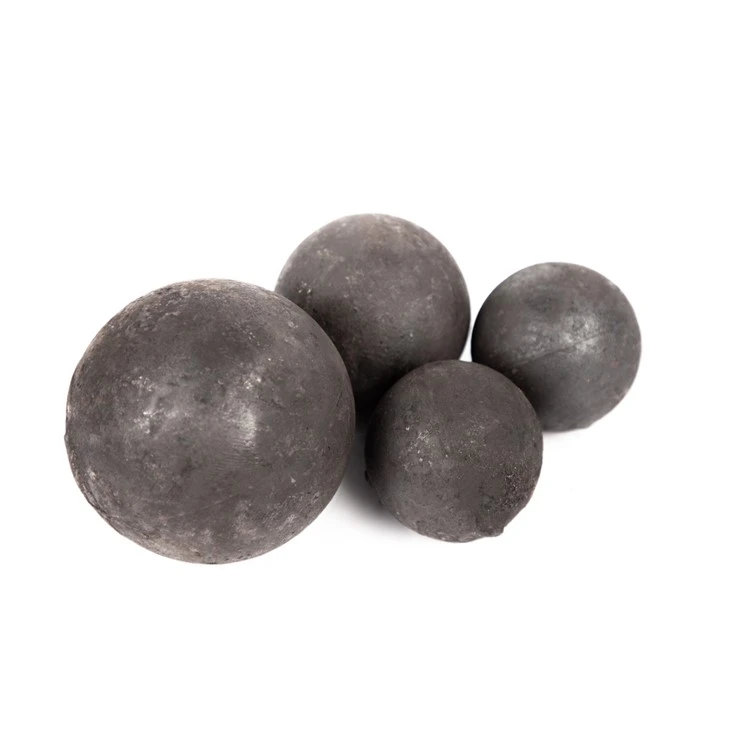

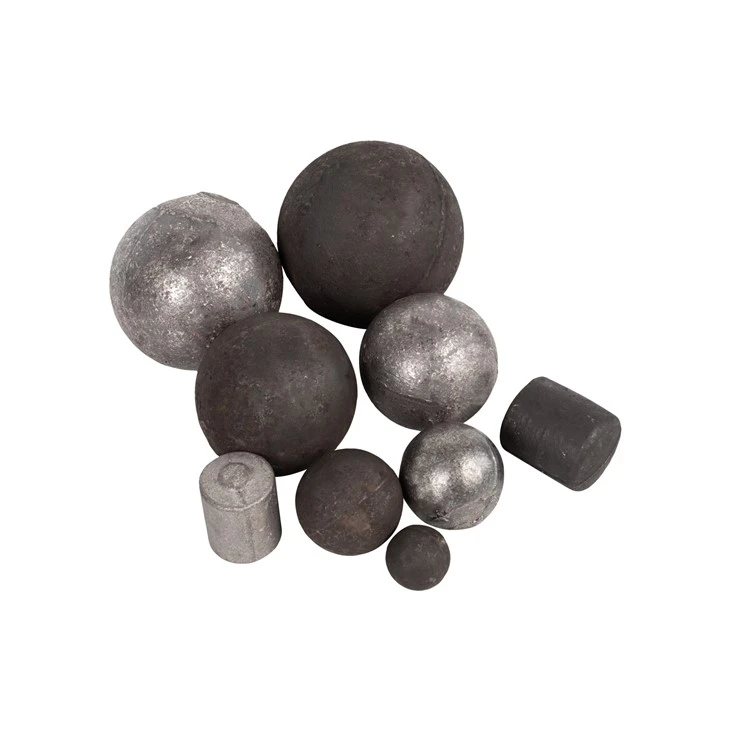

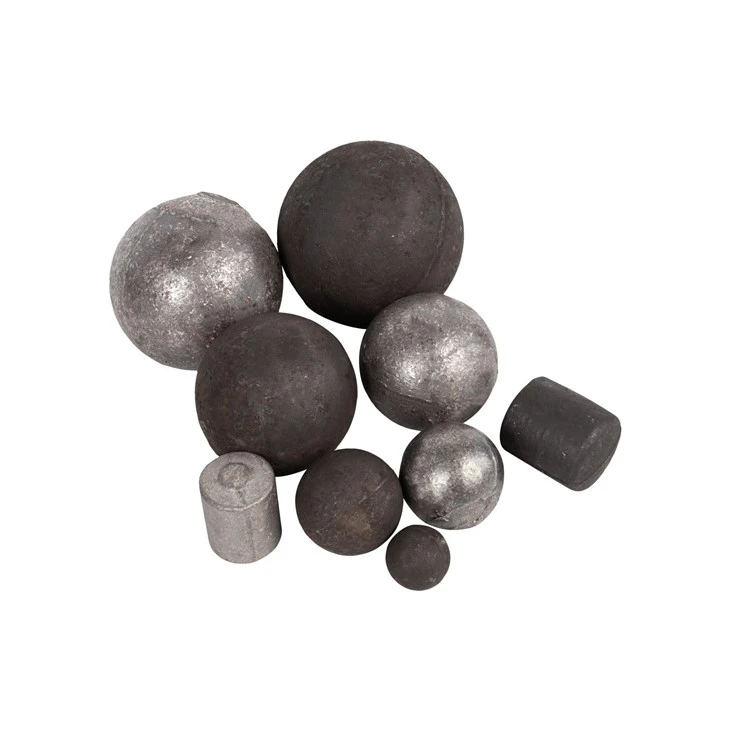
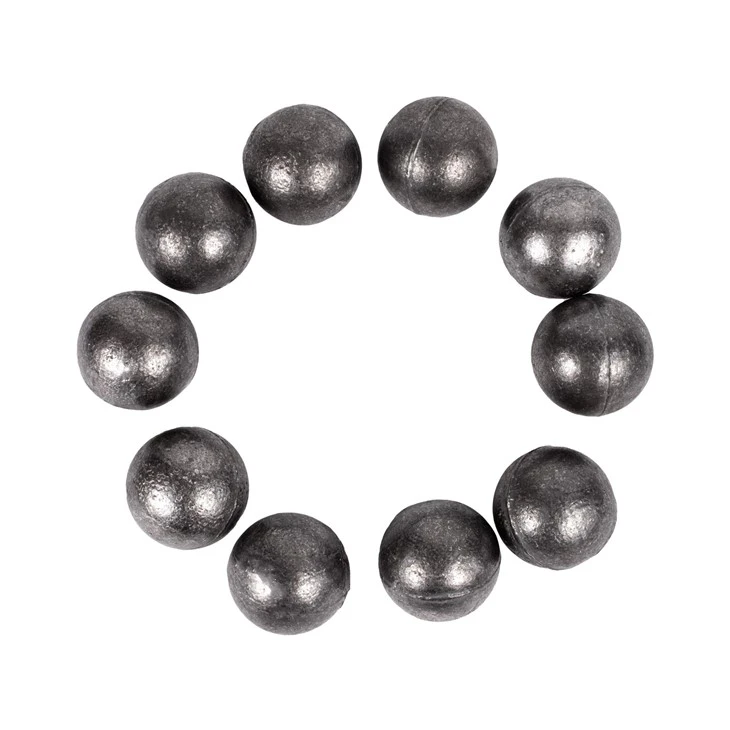
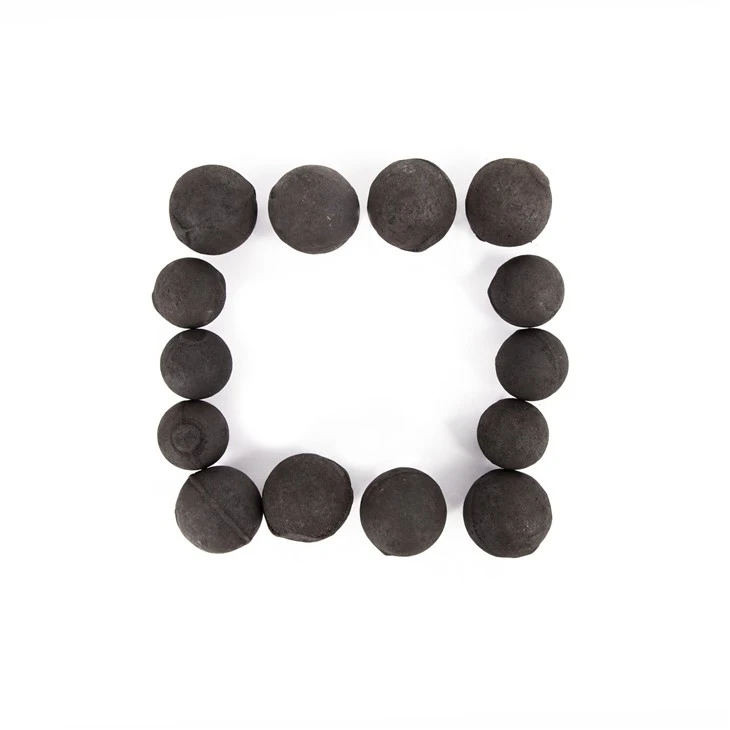
Grinding balls are used to grind or blend materials. A grinding ball works on the principle of impact and attrition. Earlier balls were made from steel, ceramic or rubber. These days they are much more scientific. Some alloy grinding balls are especially suited to the tasks they have to perform creating less wear and far greater efficiency in production.
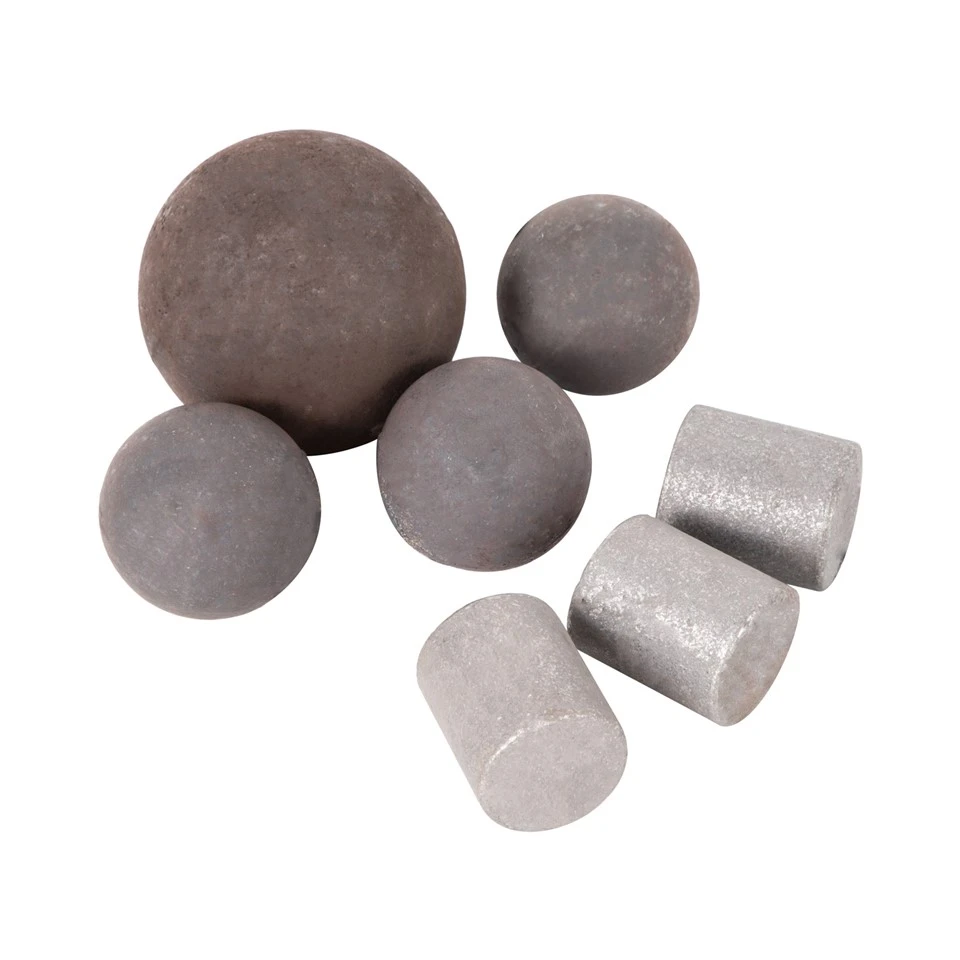
Differences of Grinding Balls Made by Casting, Forging and Rolling
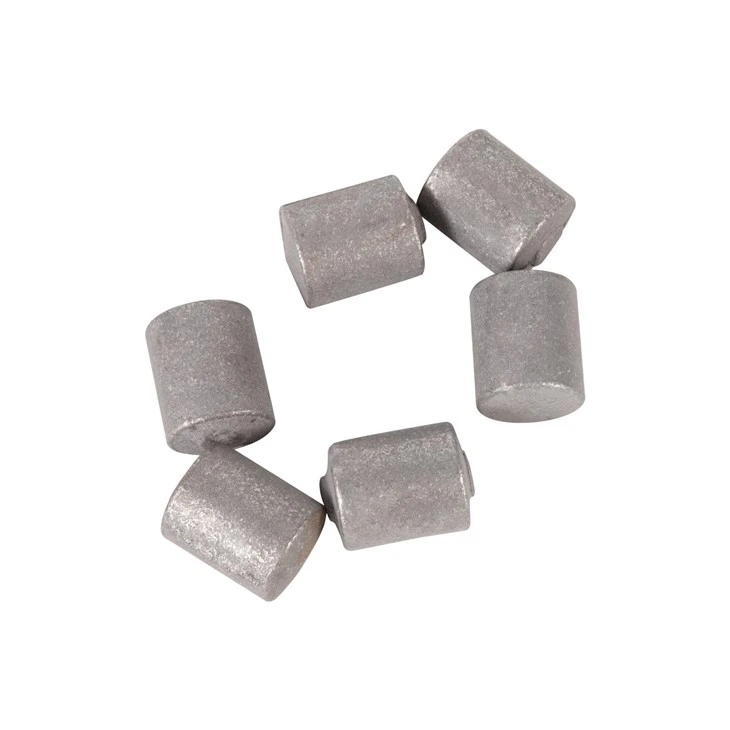

Differences of Grinding Balls Made by Casting, Forging and Rolling
Grinding steel ball, also known as wear-resistant medium for grinding machine, is a consumable, its main purpose is to grind the material to make the material finer to meet the standard of use. The Wear-resistant steel ball is mainly used in mines, power plants, cement plants, steel plants, silica sand plants, coal chemical industries, etc. The annual consumption of steel balls in the world is between 30 million and 50 million tons. The steel ball making process can be divided into three types: forged steel balls, cast steel balls and hot rolled steel balls.
Forged Steel Ball
After the round steel is cut, it is forged with an air hammer. The wear resistance of the forged steel ball is closely related to the used material of the round steel and the quality of the impurities or round steel. The main material of forged steel ball: mostly made of high manganese steel (50Mn and 60Mn or 65Mn). At present, the wear resistance of 75MnCr is comparable to that of high-chromium balls.
Cast Steel Ball
Chromium alloy is the main component of cast steel ball. Its strength and density are lower than that of forged steel ball. The breaking rate is much higher than other steel balls. According to the level of chromium content, the wear-resistant ball can be pided into different types.
Hot Rolled Steel Ball
The hot-rolled steel ball is produced in the rotary cutting production line. It has risen rapidly in recent years. It not only has high production efficiency but also high degree of automation, high material utilization rate, stable steel ball size and quality, and excellent cost performance, but the quality is not as good as forged steel ball.
Advantages of Grinding Ball Milling
Produces Uniform Particle Sizes
Ball milling process ensures particles are all the same size, enhancing consistency in the end product. This uniformity in size helps in maintaining quality control.
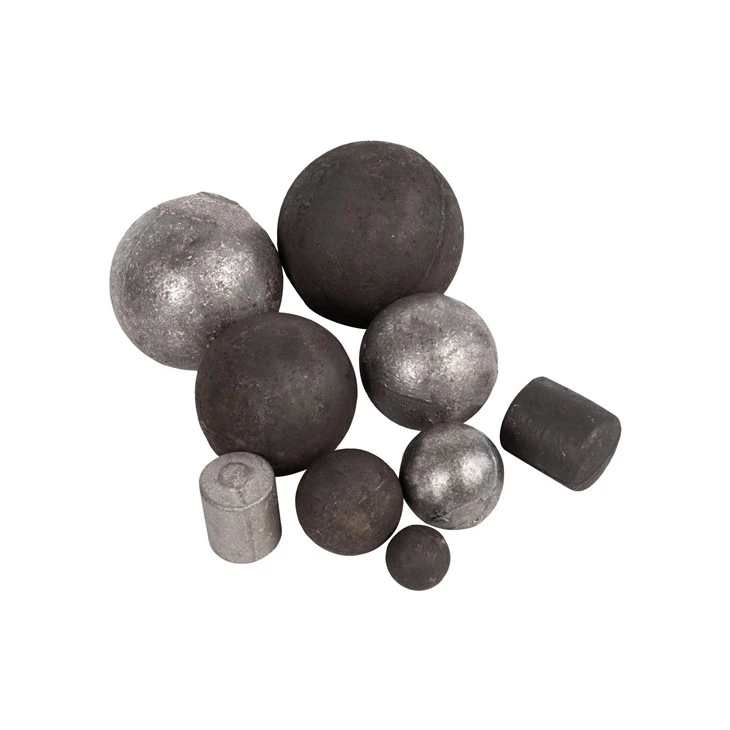
It is also a cost-effective operation. The cost of running and maintaining the equipment is low, making it a budget-friendly choice.
The process is user-friendly as well. Even someone with limited technical skills can operate a ball mill, reducing the need for specialized training.
Ball milling allows for both wet and dry grinding. This versatility means it can be used with a wide range of materials and applications.
It's ideal for large-scale production. The process can produce high volumes of material quickly and efficiently, making it perfect for industries needing bulk quantities.
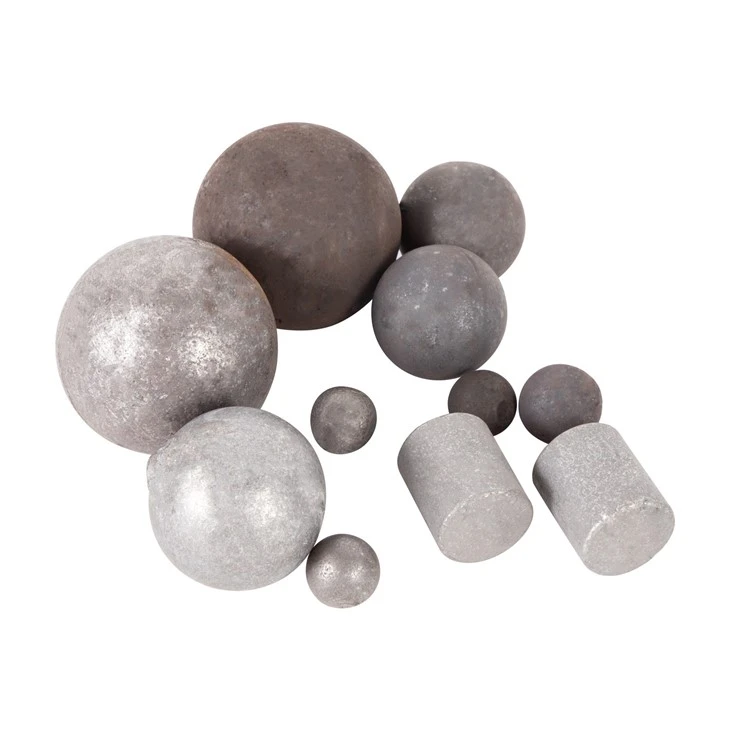
Ball mill is essential machinery equipment for grinding materials which is majorly used in the production area for different powders such as silicates, cement, fertilizer, glass ceramics refractory material etc. There are names of ball mill which is tumbling mill and pebble mill. It is formed in a hollow cylinder that contains balls that are mounted in a metallic frame and rotated along with a longitudinal axis. The balls can be in a different diameter that occupies 30-50% of the mill volume and the size depends on the mill size and feed. The big grinding balls eventually tend to break the coarse materials and small grinding balls help to form a perfect product that reduces unnecessary spaces between balls. Ball mills grind the material by attrition and impact. The milling degree in the ball is more often influenced by, the density, number and size of the balls, consistent time of the materials in the mills, cylinder rotation speed, nature of ball mills feed level and feed rate in the vessel.
Pharmaceutical Uses
Grinding Balls can be used for the grinding of drugs in a final stage or in a grinding suspension. The ball used at the maximum capacity for the milling ores before the manufacture of the chemicals in the pharmaceutical lines. There are numerous forms of Grinding Balls that are available in numerous materials which can accommodate the contamination and wear necessary requirements.
Mining and Mineral Processing
Grinding balls are used in the mining industry for crushing and grinding minerals, such as gold, copper, iron, and more. They are inserted into large rotating mills, where the materials are crushed and ground to a desired particle size for further processing.
Cement Industry
Grinding balls are a key component in cement manufacturing, where they are used to crush and grind clinker and other materials in cement mills. These balls assist in the reduction of the clinker size, enabling it to be transformed into powder form, which is the basis for making cement.
Power Plants
Grinding balls are utilized in coal-fired power plants to pulverize coal before the combustion process. These balls crush the coal into a fine powder, which is then blown into the combustion chamber to generate heat.
Materials of Grinding Balls
High Chromium Cast Iron
High chromium cast iron is a kind of alloy white cast iron with high chromium content. It has good wear resistance, heat resistance, corrosion resistance, and good toughness. The wear resistance of a high chromium cast iron ball is 8-12 times that of a common carbon steel ball.
Low Chromium Cast Iron
Low chromium cast iron contains a small amount of chromium, which allows the white cast iron to obtain martensite metallography. The toughness of low chromium cast iron is slightly worse than that of high chromium cast iron, but it has good wear resistance. It is suitable for making small balls, short cylinders, and lining plates in fine grinding bin.
Forged Bearing Steel
Forged-bearing steel can be used to make steel balls of various diameters. Its carbon content is about 1.0%, chromium content is about 1.5%, and other elements are conventional content. The loss efficiency of forged bearing steel balls is higher than that of high chromium cast iron balls in practical use. However, due to its low alloy element content, it still has a broad market.
Production Process of Grinding Balls
l. Heading
Short lengths of wire are cut and then it is shaped into the form of a sphere.
2. Deflashing
This step involves rolling the balls between two very heavy plates, typically cast iron plates, which leads to its formation.
3. Soft Grinding
This is similar to the deflashing step, but a grinding stone is used to make the more precise form.
4. Hot Treating
The steel balls are put through heat and hardened.
5. Descaling
This is the process of removing any undesired residue from the ball.
6. Hard Grinding
This step helps with providing the perfect size and shape for the order.
7. Finishing
This step involves giving the balls a smooth finish and coating to ensure that the product will last long.

Factors to Consider Before Choosing the Grinding Ball
Initial and Final Particle Sizes of the Materials
The size of the milling media should be selected based on the initial and final particle sizes of the material. Multiple milling steps using different size milling media may be needed to achieve the best milling effect. It is also possible to use a combination of milling media sizes in a single milling process to achieve the desired final particle size.
Density
Milling media with higher density usually have better milling efficiency and can lead to a smaller final particle size of the material to be ground. The media should have a higher specific gravity than the material to be milled.
Hardness
Harder media have higher wear resistance, less contamination, and better milling efficiency.
Composition
The selection of media composition depends on the compatibility with the material to be milled, and the container and liner materials used in the milling process. The goal is to minimize contamination and yet to achieve the best milling effect.
Cost
Tungsten carbide and zirconia milling media typically have higher costs than alumina and agate milling media, however, they are also more wear-resistant and provide better milling efficiency, and therefore, the actual milling operation costs can be lower even though the milling media cost is higher.
Our Certificate
We have obtained the Certificate Of Machin


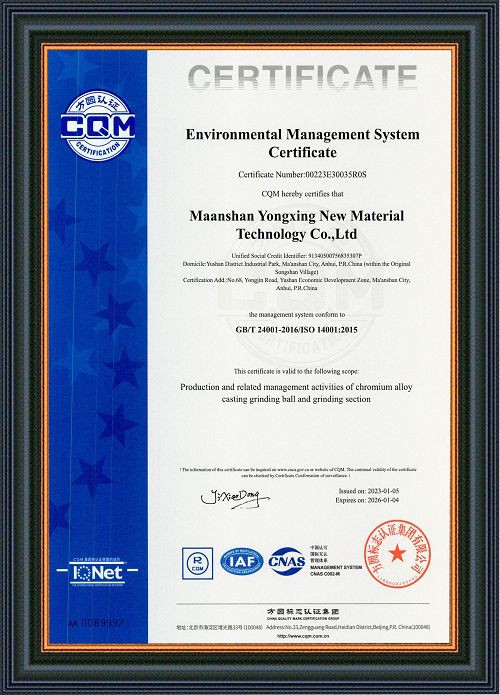
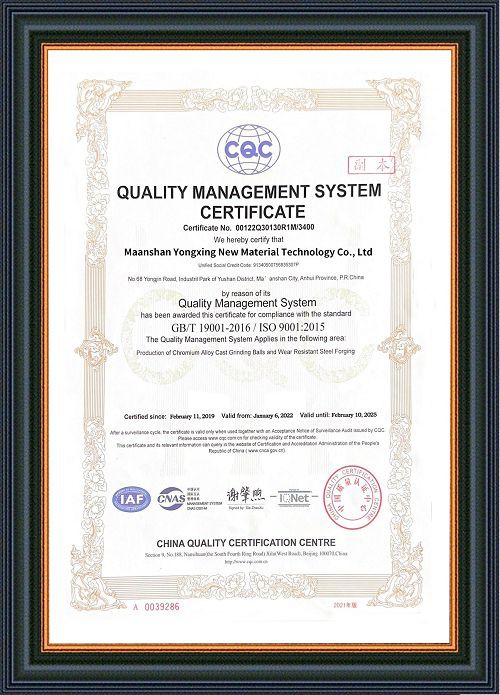

Our company has obtained environmental management system certification, occupational health and safety management system certification, quality management system certification, etc. The production process is scientific and the product quality is stable.
Ultimate FAQ Guide to Grinding Ball
Hot Tags: cast ball for ball mining, China cast ball for ball mining manufacturers, suppliers, factory, Grinding Ball Mining, Chrome Ball, Casting Grinding Iron Ball, Grinding Steel Ball, Grinding Metal Ball, Grinding Cast Chrome Ball