




The Significance of Mill Ball Shapes:
The shape of mill balls is a fundamental aspect of comminution processes in ball mills. While their primary function is to crush and grind materials, their shape plays a crucial role in determining how effectively this process occurs. Mill ball shapes can impact various aspects of grinding, including efficiency, wear rates, and the quality of the final product.
Impact of Mill Ball Shapes on Grinding Efficiency:
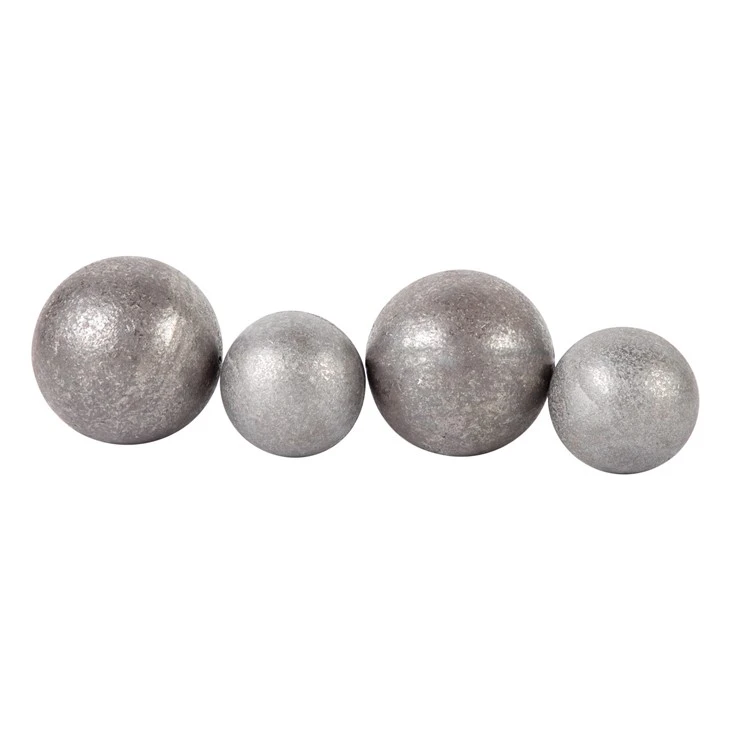
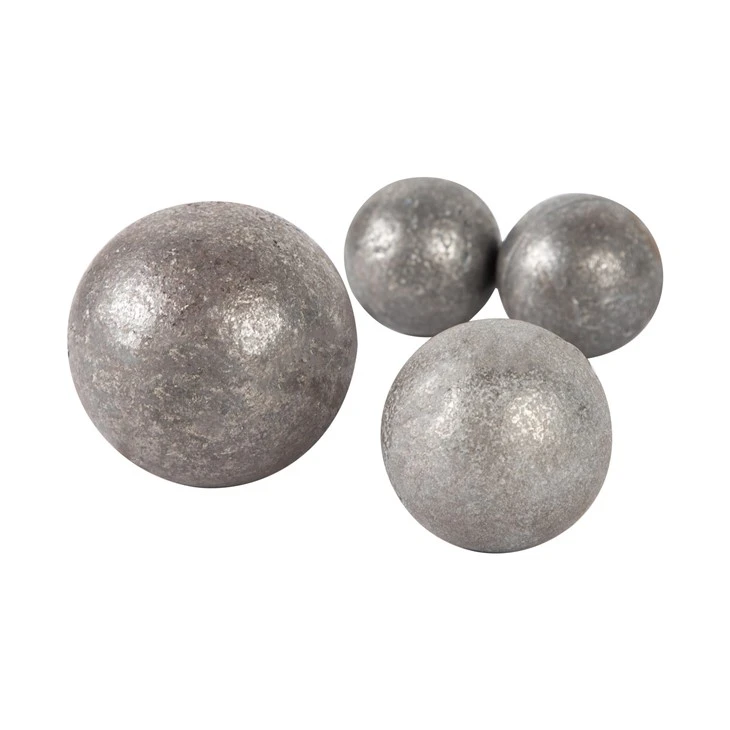
Spherical Balls: Traditional spherical balls are the most common shape. They provide uniform contact with the material, ensuring even grinding. This shape is suitable for general grinding applications and is known for its versatility.
Cylindrical Balls: Cylindrical balls, as the name suggests, are elongated and can have higher contact areas with the material. This shape is often used in finer grinding applications, where increased contact can enhance efficiency.
Conical Balls: Conical mill balls have a tapered shape, allowing for both crushing and grinding actions. They are effective in breaking down larger particles and are suitable for specific applications where high impact forces are needed.
Irregular Shapes: Non-spherical or irregular-shaped mill balls can provide unique grinding advantages. Their uneven surfaces can help in breaking down materials more efficiently, especially in certain specialized applications.
Factors Influencing the Choice of Mill Ball Shapes:
The selection of mill ball shapes depends on various factors, including:
Material Being Ground: Different materials may require specific ball shapes to optimize grinding efficiency. For example, abrasive materials may benefit from irregular or high-impact shapes.
Grinding Objectives: The desired particle size distribution and grinding objectives play a significant role in determining the ideal ball shape. Finer grinding may necessitate the use of cylindrical or conical balls.
Energy Consumption: Different ball shapes can impact energy consumption. Some shapes may require more energy to achieve the desired grinding effect.
Optimizing Mill Ball Shapes for Performance:
Material Selection: Consider the material composition of the mill balls, including the choice of steel, ceramic, or high-chrome alloys, to match the specific grinding requirements.
Ball Shape Design: Tailor the shape of mill balls to the grinding objectives and material properties. Customized ball designs can significantly impact grinding efficiency.
Testing and Evaluation: Conduct performance tests to assess the effectiveness of various ball shapes in specific applications. This empirical data can guide shape selection.
Conclusion:
The shape of mill balls is a critical aspect of grinding efficiency and performance in ball mills. Different ball shapes, whether spherical, cylindrical, conical, or irregular, impact grinding in unique ways. To optimize grinding processes, it is essential to consider material properties, grinding objectives, and energy consumption when selecting and designing mill ball shapes. By doing so, industries can enhance their milling processes, improve product quality, and reduce operational costs, ultimately making ball mills a more efficient solution for material processing needs.
Hot Tags: mill ball for ball mill, China mill ball for ball mill manufacturers, suppliers, factory, Grinding Balls for Ball Mill, Chrome Ball, Casting Steel Ball, Grinding Casting Chrome Ball, Casting Grinding Iron Ball, Grinding Balls Mining