


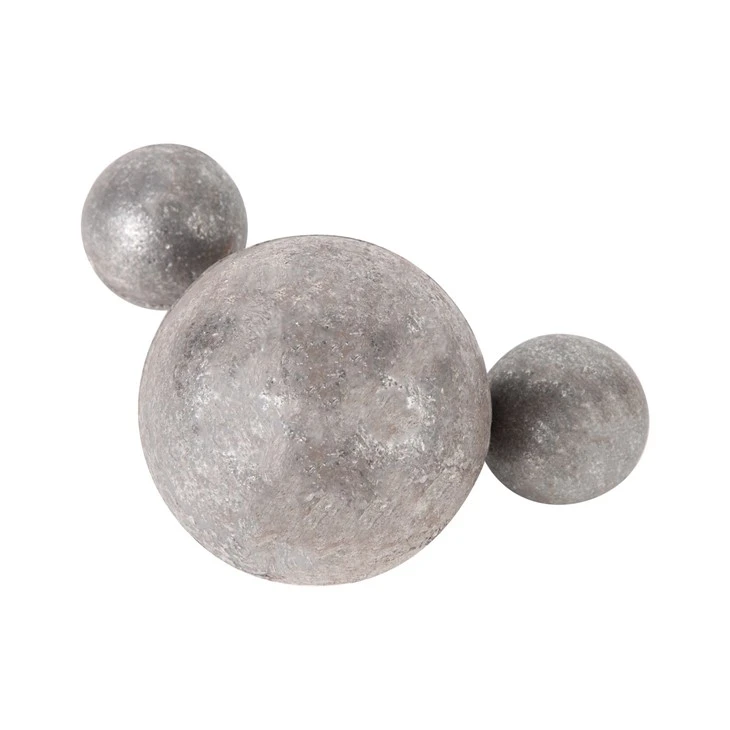

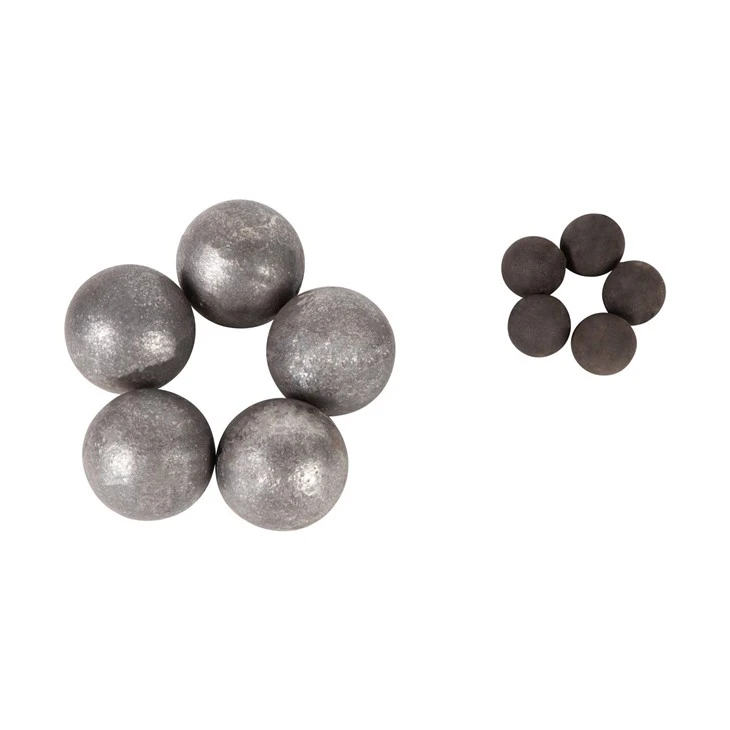
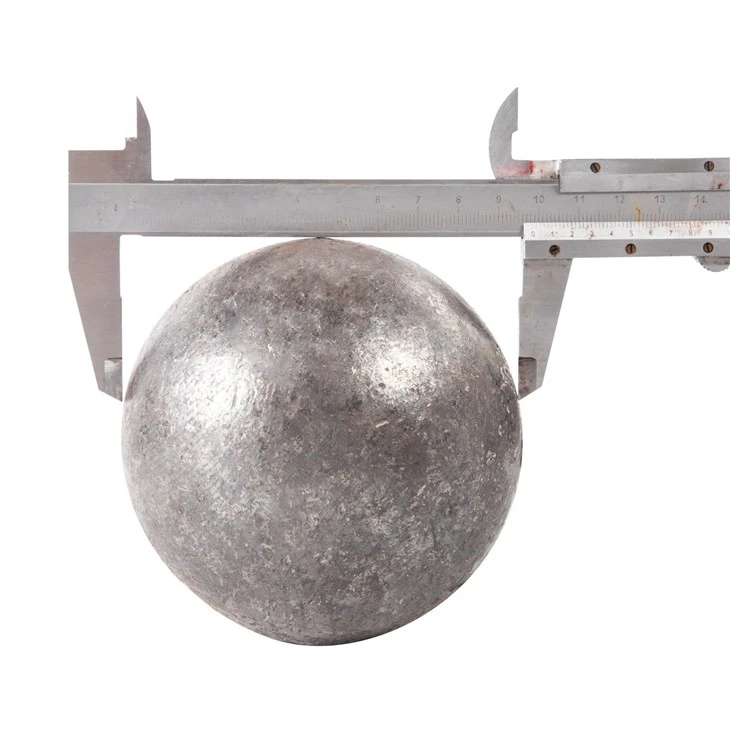
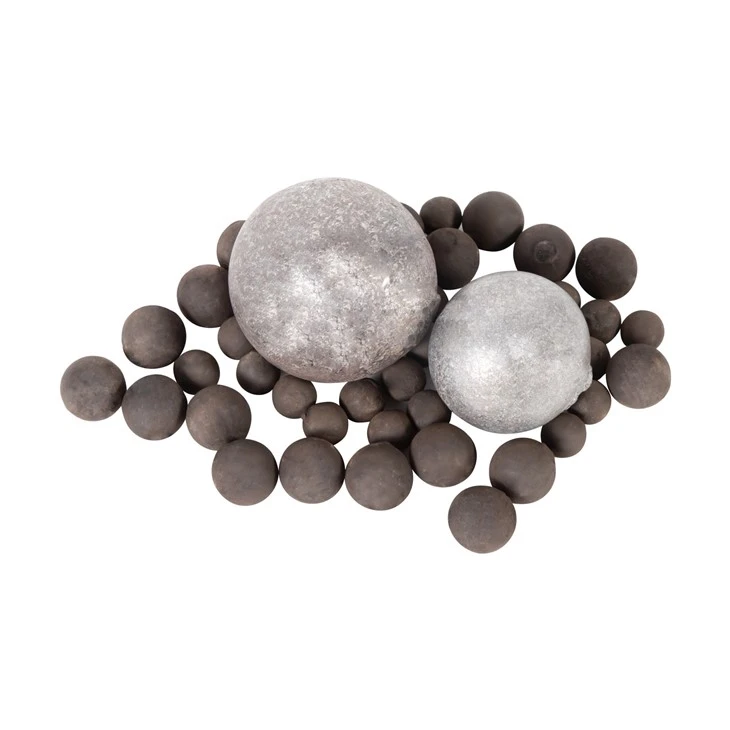
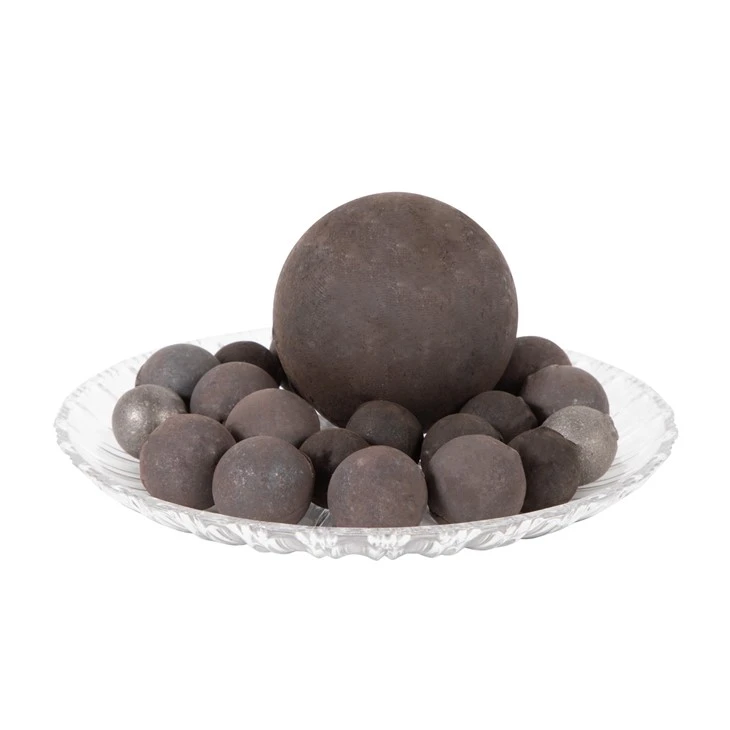
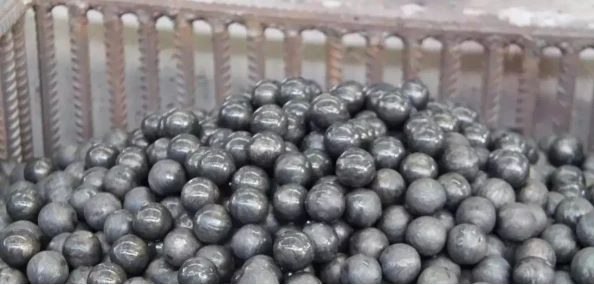
The utilization of iron ball for mining in ball mills is a critical aspect of the ore processing industry, contributing to the efficient extraction of valuable minerals from raw ore. In this process, the composition and usage of these cast iron balls play a pivotal role in the overall success of the milling operation.
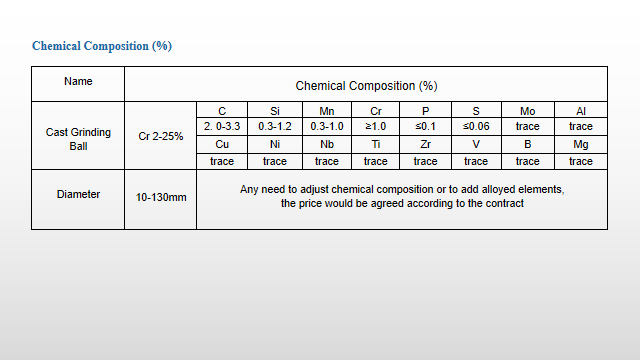
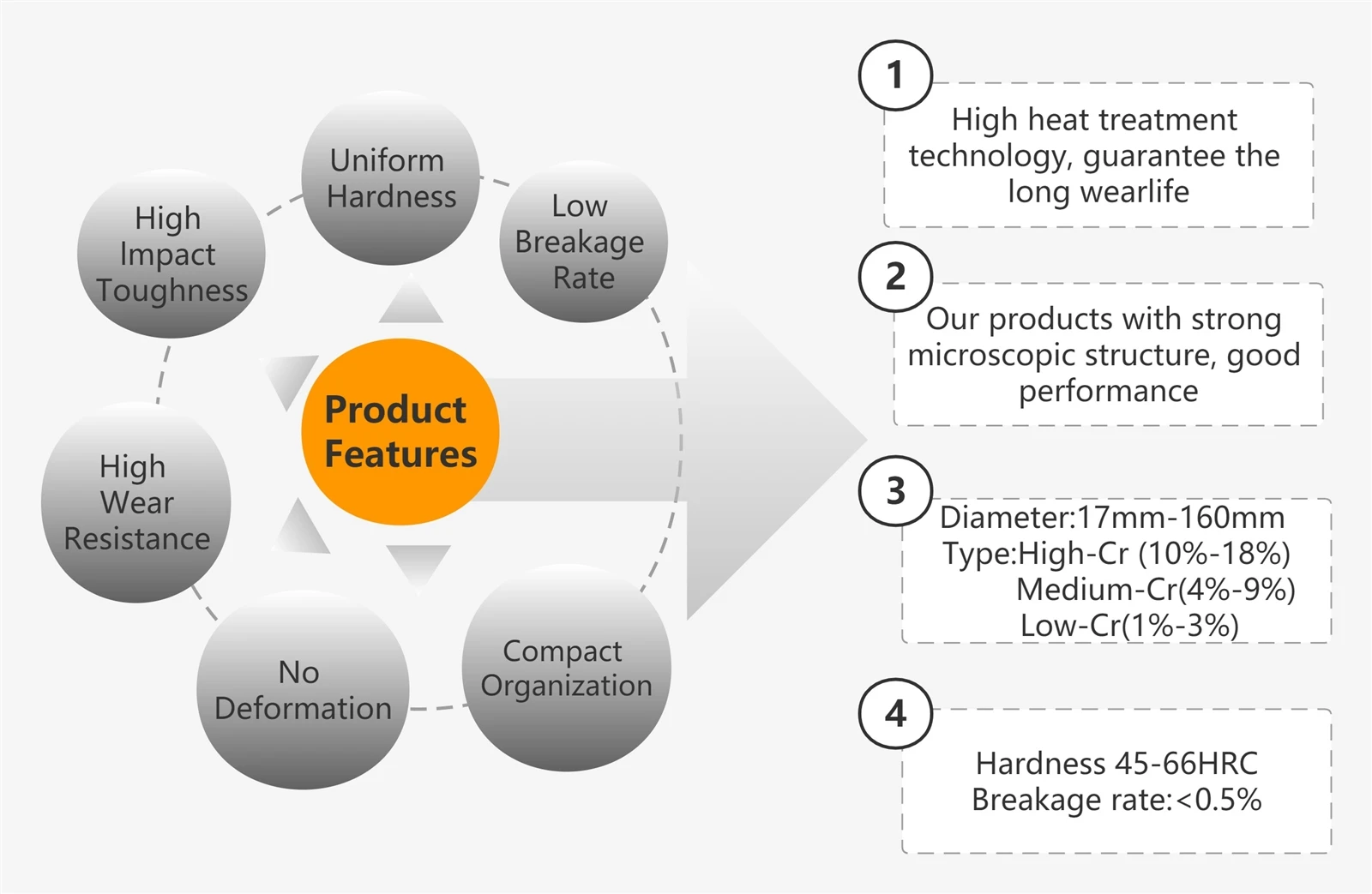
To begin, it is important to understand that the composition of the cast iron balls used in mining ball mills is carefully engineered to meet the specific demands of the milling process. These balls are typically made from a combination of iron, carbon, and other alloying elements. The precise composition can vary, but it is essential to strike a balance between hardness, wear resistance, and impact resistance.
The primary purpose of cast iron balls in mining ball mills is to break down the raw ore into smaller particles, allowing for the extraction of valuable minerals. This process is known as grinding and is facilitated by the abrasive and impact forces generated by the rotating mill and the cast iron balls within. The mining industry typically employs a variety of mill types, including SAG (Semi-Autogenous Grinding) mills and ball mills. These mills can vary in size and capacity, but the common denominator is the use of cast iron balls as grinding media.
The selection of the appropriate usage ratio of cast iron balls in a mining ball mill is a complex decision that depends on various factors, including the ore type, mill size, mill speed, and desired grinding efficiency. In general, a higher ratio of balls to ore provides a more aggressive grinding action, breaking down the ore more effectively. However, it's important to strike a balance, as an excessive number of balls can lead to inefficient impacts and excessive wear on both the balls and the mill lining.
Manufacturers and operators of mining ball mills must consider the size distribution and hardness of the ore being processed. Typically, a mix of ball sizes is used to optimize the grinding process, ranging from large balls for initial coarse grinding to smaller balls for finer grinding. This approach is known as ball size distribution optimization.
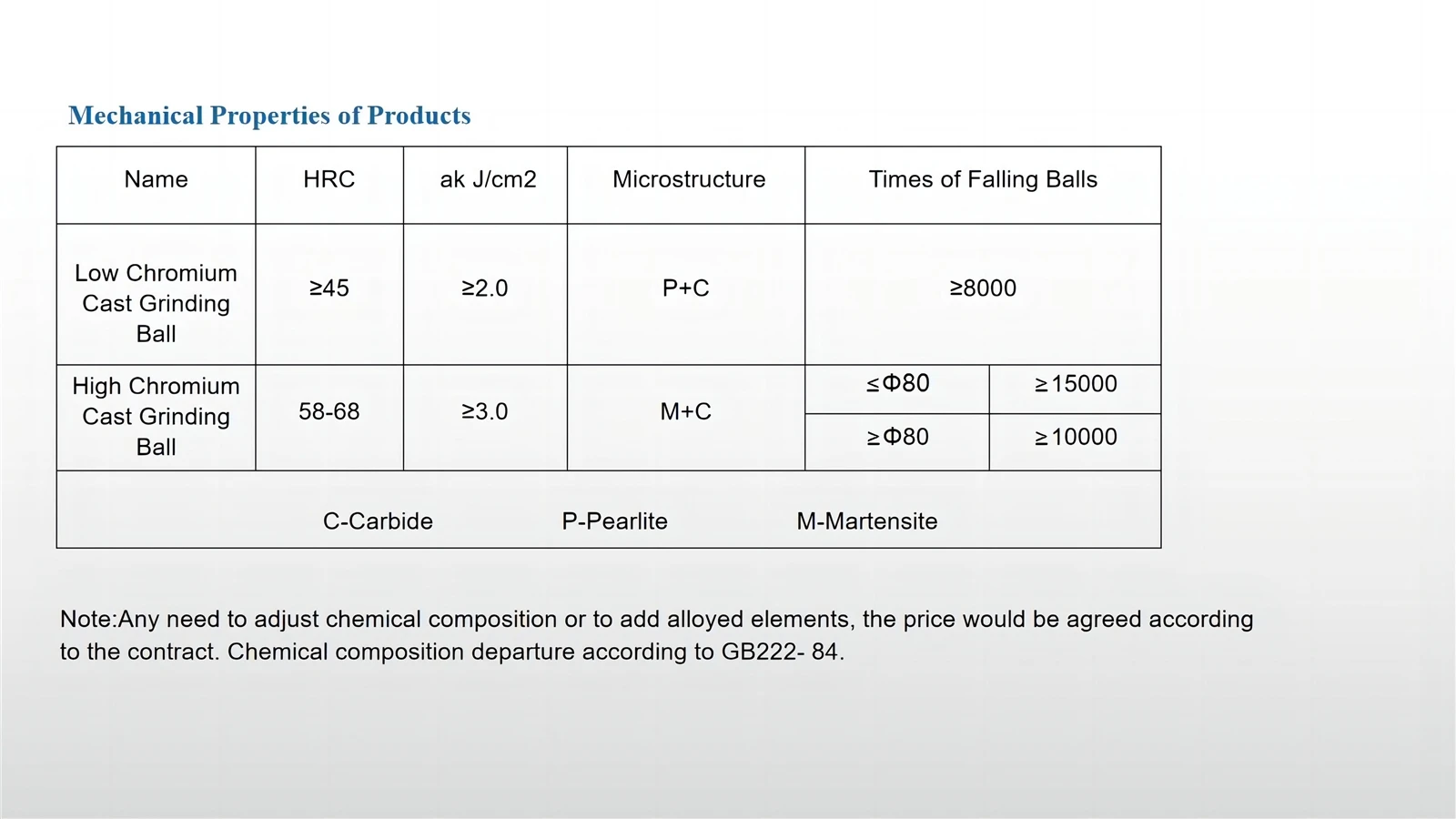
The hardness of the cast iron balls is crucial in achieving efficient grinding. Harder balls are more wear-resistant and can maintain their shape and size over extended periods of use. Various heat treatment processes are employed to control the hardness of the cast iron balls. The specific heat treatment method used depends on the desired properties and the type of ore being processed.
In addition to hardness, the chemical composition of the cast iron balls can be tailored to the specific needs of a mining operation. Alloying elements, such as chromium, can be added to improve wear resistance and corrosion resistance. The precise composition may vary, and manufacturers often conduct extensive research and development to optimize the properties of these balls.
Furthermore, the usage ratio of iron ball for mining can be adjusted over time as the ore characteristics change or as mill operating conditions evolve. Regular monitoring and maintenance of ball mills are essential to ensure optimal performance. Ball charging and sorting systems are often employed to manage the usage ratio effectively, and worn or deformed balls are periodically replaced to maintain grinding efficiency.
In conclusion, the usage of iron ball for mining in ball mills is a complex science that combines material science, metallurgy, and practical mining engineering. The proper composition and usage ratio of these balls are essential to ensure efficient ore grinding and mineral extraction. The continuous development of materials and manufacturing processes, as well as ongoing research in the field, contribute to the improvement of grinding efficiency and the overall sustainability of the mining industry.
Hot Tags: iron ball for mining, China iron ball for mining manufacturers, suppliers, factory, Steel Ball, Ball Mill Media, Grinding Media Ball, Grinding Casting Iron Ball, Grinding Steel Casting Ball, Metal Ball